


Thailand's commitment to sustainable tourism by 2030
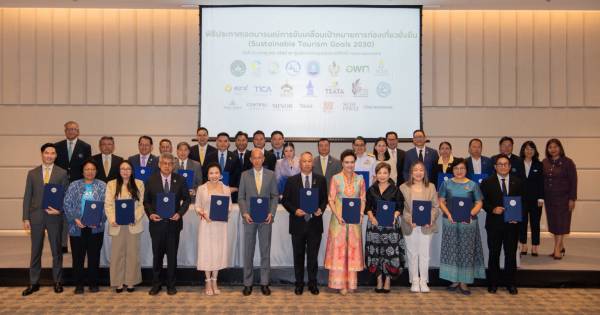
Thailand has recently taken a landmark initiative to boost the tourism sector. tourism towards a brighter future sustainable and manager. In collaboration with 20 public and private sector partners, the Tourism Authority of Thailand (TAT) has signed a Letter of Intent to accelerate the completion of the Sustainable Tourism Objectives (OTD) by 2030.
Coordinated efforts to achieve the Sustainable Tourism Objectives
The recently announced agreement reflects a unified national commitment to reforming the tourism sector. This project is part of the TAT Strategic Direction 2026which focuses on sustainability and shared responsibility. The aims are not only to reduce the carbon footprint of tourism activities, but also to encourage a more equitable distribution of economic spin-offs in the regions concerned. local communities.
The main players involved
The partners involved in this initiative include key government agencies, major companies in the tourism industry and non-governmental organisations. They include the Ministry of the Environment, the Ministry of Culture and various hotel associations. The coalition aims to maximise the impact of the programmes by aligning efforts with internationally recognised sustainability models.
- Ministry for the Environment : Managing natural resources and promoting environmentally-friendly practices.
- Ministry of Culture : Promoting cultural heritage and strengthening authentic experiences.
- Hotel associations : Adoption of sustainable practices in the hotel industry.
Expected impact on local tourism
Implementing these objectives will substantially transform Thailand's tourism landscape. For example, the development of infrastructure will take into account not only the immediate environmental impact, but also the long-term support for the tourism industry. local economies. Initiatives will include reducing the use of plastics, optimising energy use and promoting community tourism.
A vision aligned with global strategies
These approaches are perfectly consistent with the objectives of the World Tourism Organisation (UNWTO), which encourages nations to reconcile tourism development and environmental protection. By adopting these global guidelines, Thailand aims to position itself as a regional leader in sustainable tourism, attracting customers who are concerned about environmental issues.
Challenges to overcome
Despite this strong commitment, the transition to fully sustainable tourism presents challenges. These include training and updating the skills of local stakeholders, distributing resources equitably and the need to form international partnerships to exchange innovative solutions and best practice.
Conclusion
In summary, Thailand's initiative to achieve the Sustainable Tourism Goals by 2030 is a bold step towards a more environmentally and socially respectful future. This commitment, if well executed, could make Thailand a benchmark for sustainable tourism development. The aim is not only to protect the country's splendid natural resources, but also to offer authentic and enriching experiences to visitors from all over the world.
This article has been selected, adapted and validated by the Breeziful editorial team. Writing assisted by artificial intelligence, under the supervision of Éléonore. Written/Validated by Breeziful.