


The North-East and major cities
New York City
In New York City, the East River separates Manhattan from Brooklyn. The bridges across it offer another way to take in the skyline.
Iconic cities, wide-open landscapes and road trips

The United States cannot be explored like a compact country. Its size, range of climates and concentration of major cities call for planning by region rather than as one linear itinerary. That is precisely its strength: you can build a city-focused stay, a manageable road trip, a nature circuit or a combination of city and national park.
Making the most of the country involves a fairly active pace, advance reservations and choices between driving time, comfort and variety. The result can be richly rewarding if the programme remains realistic.
The United States lends itself to very different journeys depending on the region: a New York city break, time exploring the institutions of Washington, D.C., a West Coast urban circuit or a nature itinerary through national parks. Preparation matters, especially for distances, connections and peak-season bookings. In return, the country offers remarkable depth, with sharply contrasting landscapes, cities and local cultures. It is well suited to independent, curious travellers who enjoy building a trip around coherent geographical areas.
The United States offers an unusually broad canvas for travel: within one country, you can combine a federal capital, a cultural metropolis, a scenic road and a spectacular national park. It suits both short city stays and longer itineraries, provided you choose a clear focus and avoid scattering your stops. Its chief appeal lies in the variety of atmospheres, seasons and landscapes; arrangements require method but reward curiosity. This guide helps you understand the country in coherent regions and build a manageable, comfortable and memorable journey.
Regions and discoveries
The North-East and major cities
In New York City, the East River separates Manhattan from Brooklyn. The bridges across it offer another way to take in the skyline.
The South and Gulf Coast
Calle Ocho runs through the heart of Little Havana. Its cafés and neighbourhood coffee windows reflect Miami’s Cuban heritage.
The South and Gulf Coast
North of downtown Miami, Wynwood’s streets bring together large-scale murals and art galleries.
The South and Gulf Coast
South of the Miami River, Brickell’s towers mark the financial district. Downtown is on the opposite bank.
The South and Gulf Coast
Downtown faces Biscayne Bay. Pérez Art Museum Miami and the Frost science museum stand on its waterfront.
The South and Gulf Coast
Along Biscayne Bay, Coconut Grove is known for its leafy streets and the gardens at Vizcaya.
The South and Gulf Coast
In Coral Gables, Mediterranean-style buildings and the shops along Miracle Mile make a starting point for a walk.
The Midwest and Great Lakes
In Chicago, the river meets Lake Michigan beside the downtown towers. From there the lakefront runs north and south along the city.
The American West and wide-open landscapes
The Las Vegas Strip is the city’s iconic boulevard, where hotels, casinos, shows and restaurants are concentrated. In this offer, it serves as the base for a five-night stay, with accommodation located directly on the avenue and easy access on foot to nearby attractions.
No verified geolocated places in this region.
When to visit this region? →The North-East and major cities
In New York City, the East River separates Manhattan from Brooklyn. The bridges across it offer another way to take in the skyline.
Read and locateThe South and Gulf Coast
Calle Ocho runs through the heart of Little Havana. Its cafés and neighbourhood coffee windows reflect Miami’s Cuban heritage.
Read and locateThe South and Gulf Coast
North of downtown Miami, Wynwood’s streets bring together large-scale murals and art galleries.
Read and locateThe South and Gulf Coast
South of the Miami River, Brickell’s towers mark the financial district. Downtown is on the opposite bank.
Read and locateThe South and Gulf Coast
Downtown faces Biscayne Bay. Pérez Art Museum Miami and the Frost science museum stand on its waterfront.
Read and locateThe South and Gulf Coast
Along Biscayne Bay, Coconut Grove is known for its leafy streets and the gardens at Vizcaya.
Read and locateThe South and Gulf Coast
In Coral Gables, Mediterranean-style buildings and the shops along Miracle Mile make a starting point for a walk.
Read and locateThe Midwest and Great Lakes
In Chicago, the river meets Lake Michigan beside the downtown towers. From there the lakefront runs north and south along the city.
Read and locateThe American West and wide-open landscapes
The Las Vegas Strip is the city’s iconic boulevard, where hotels, casinos, shows and restaurants are concentrated. In this offer, it serves as the base for a five-night…
Read and locateHawaii is the country's leading island destination, with volcanic islands, beaches, dramatic landscapes and a strong cultural identity. Honolulu is often the gateway, but each island lends itself to a different kind of stay.
Allow for inter-island flights when combining islands.
Alaska also includes islands and archipelagos in the North Pacific, in much wilder and more dispersed surroundings. Travel requires more planning but is especially rewarding for nature observation and cruises.
Check air and sea connections ahead.
Some Atlantic islands and peninsulas are popular for tourism and beach stays, particularly in the North-East and South-East. They usually fit into city or coastal itineraries rather than standalone island journeys.
Access varies considerably with the season.
The country has many barrier islands and coastal islets, especially along the Atlantic and Gulf of Mexico. They offer beaches, wetlands, birdwatching and nature-focused stays.
Check bridges, ferries and local weather conditions.
The North-East contains several major centres: New York for finance, culture and air connections, Boston for its university heritage and Washington, D.C. for federal institutions. Distances are relatively short by US standards, making city combinations easier.
Consider trains or short flights between major cities.
The South offers a striking contrast between dynamic cities, warm coastlines and strong musical traditions. Miami, New Orleans, Houston and Atlanta provide useful bases for very different settings, from the seaside to historic neighbourhoods.
Allow for longer journeys and realistic driving times.
The Midwest forms the country's heartland, with Chicago as a major gateway and Detroit, Minneapolis or Cleveland depending on the itinerary. It is an appealing region for cities, lakes and medium-distance road trips.
Plan carefully around the seasons, especially winter.
The West brings together iconic destinations including Los Angeles, San Francisco, Las Vegas, Seattle, Denver and Phoenix. Its landscapes vary widely between coast, desert, mountains and national parks, making it well suited to themed journeys.
Group the itinerary geographically to reduce unproductive travel time.
Manhattan concentrates much of New York's urban energy, with business districts, museums, theatres and famous avenues. It is a practical base for a first visit, although getting around can take time.
Book early and choose well-connected accommodation.
Brooklyn offers a more residential and creative atmosphere, with varied neighbourhoods, cafes, markets and views towards Manhattan. It suits a more local-feeling stay while remaining close to major sights.
Ideal for alternating sightseeing with neighbourhood life.
Downtown Los Angeles combines skyscrapers, cultural institutions and evolving food scenes. It is useful for exploring other parts of the city, although a car is often still needed.
Plan journeys around rush hours.
The Strip is Las Vegas's best-known thoroughfare, concentrating hotels, casinos, shows and restaurants. It is the centre of a stay for visitors wanting to do most things on foot, with intense visual spectacle and nightlife.
Choose a central hotel to reduce transfers.
One of the country's defining cities, New York brings together museums, iconic neighbourhoods, shows and culinary diversity. It is a destination in its own right and an excellent starting point for an East Coast itinerary.
Allow several days to settle into its rhythm.
The federal capital, Washington, D.C., brings institutions, major museums and national monuments together in an easily understood area. It is straightforward to explore on foot and by Metro, balancing culture with historical reflection.
Well suited to a short city stay.
The Grand Canyon is one of the American West's defining landscapes, with spectacular viewpoints and access that varies by rim and season. It combines well with Las Vegas, Phoenix or neighbouring parks.
Book accommodation ahead during peak season.
Las Vegas is a useful base for shows, desert excursions and road trips to western parks. It works well for a short stay or as one stop on a wider itinerary.
Compare hotel locations before booking.
The United States covers an immense area, changing the logic of travel: New York to Los Angeles is a flight or a long road trip, not a simple city transfer. Such distances make it important to group visits by area.
Build itineraries around regions.Part of the appeal lies in alternating cities with wide-open landscapes. Combine a city such as Las Vegas or San Francisco with nearby parks, provided you assess driving times, opening hours and travel fatigue carefully.
Limit the number of stops per week.Climate and culture differ markedly between the North-East, South, Midwest and West. This shapes the best time to visit, what to pack and the experience you seek, from snow and beaches to desert and mountain scenery.
Match the season to the region you choose.The domestic flight network, highways and rail links on selected routes make multi-stop journeys possible. Connections can nevertheless take a long time, and European travellers often underestimate the distances.
Leave comfortable time margins.A trip to the United States offers strong visual and cultural contrasts. Few destinations combine so many cities, coastlines, deserts, mountains and national parks. It suits travellers who like setting their own pace, changing the atmosphere and building a tailor-made itinerary. It also lends itself to themed stays around music, museums, food, architecture, sport, nature or the road. Be selective: visiting fewer places and experiencing them more fully is better than turning the journey into a race against time.
A US journey gives a sense of space, contrast and abundant possibilities. A skyline can give way to desert, a museum to a scenic road, a creative neighbourhood to a national park. Both variety and scale are stimulating.
Ideal for curious travellers.Major American cities offer an energetic pace, leading museums, lively food scenes and neighbourhoods with strong identities. A stay becomes an urban immersion, with long days and plenty of choice.
Choose your base carefully.The West, Great Lakes, mountains and national parks give the country a strong visual dimension. Landscapes are often vast and readily incorporated into themed itineraries, provided you leave generous time margins.
Bring good walking shoes and allow time.The country is particularly suited to driving holidays, but not complete improvisation. The best experiences come from planning by region, with few stops and realistic journeys. This lets you see plenty without spreading yourself too thin.
Limit accommodation changes.The United States suits travellers who enjoy adaptable itineraries, large cities, road trips and strong contrasts between urban life, coast, desert, mountains and national parks. It appeals both to city-break enthusiasts and those seeking several atmospheres in one journey. Arrangements are more demanding than in compact destinations: distances are substantial, connections need planning and the pace can be active. Curious, independent travellers who are ready to balance comfort, journey times and varied experiences are especially well suited.
An active, multi-stop pace
The United States is well suited to themed travel: extended city breaks, coastal journeys, wide-open landscapes, national parks, cultural stays, food-focused escapes and city-and-nature combinations. New York, Washington, D.C., Chicago, San Francisco, Los Angeles and Las Vegas offer very different stays within the same country. National parks add spectacle but need preparation, especially in peak season. Driving trips also work well if stops are grouped geographically and journey times are not underestimated.
Mid-range to high budget
Mid-range to high-end
Choose the season around your stops: New York, Florida and the Grand Canyon plateaus do not share the same calendar.
The US climate varies greatly with the region. Official NOAA climate normals show markedly different temperatures and rainfall across states, including the North-East, South, Midwest, West, coasts and mountains. Plan by geographical area rather than for the entire country. Summers can be very hot in the South and interior, winters harsh in the North and Midwest, while the West often combines dryness, temperature swings and altitude. Seasons are useful reference points, but cannot alone determine the right time to visit.
Sea conditions vary greatly between the Atlantic, Pacific, Gulf and Hawaiian coasts. Swimming is generally more comfortable in warmer months, but water temperature, swell and currents differ considerably. The northern Atlantic often stays cool for longer; the South-East, Gulf and Hawaii often offer a longer season. Watch for swell, beach flags and local instructions, especially after active weather systems.
Rain and wind vary strongly by region and season. The South and Gulf Coast can experience substantial thunderstorms, especially in warmer months, while parts of the West are drier but exposed to wind, temperature swings and snow at altitude. Coasts may also be affected by tropical systems or seasonal storms. Check weather at state or city level rather than relying on a national overview.
Often cold in the North and Midwest, milder in the South and some coastal areas. Regional differences are substantial and can strongly affect travel comfort.
Adapt the itinerary to the geographical area.
A useful transition month for cities, with more moderate temperatures in many regions. Conditions still vary with altitude and latitude.
Pack a light jacket and layers.
Often hot to very hot across much of the country, with possible humidity in the South and East. It can suit parks and coasts, although heat may make city sightseeing tiring.
Schedule activities early or late in the day.
Often pleasant for touring, balancing weather, light and visitor numbers in many regions. Some northern and mountainous areas may already be considerably cooler.
A rewarding month for a varied itinerary.
10 to 21 days
For a first trip, choose a season suited to one broad region. Spring and autumn often offer the most flexibility for cities and regional roads, while summer suits open landscapes, coasts and longer journeys. In winter, target a specific area rather than trying to cover too much ground. Book accommodation and domestic flights early when including national parks or popular cities.
The monthly series describes New York, with a marked contrast between winter and summer. It does not represent the Great Lakes or the whole country.
Compare temperatures at your stops, not a national average.
The wet season brings heat, showers and thunderstorms; May and October are transition months. Leave flexibility for outdoor activities.
Check local forecasts before going out.
Altitude makes a major difference: snow and ice can affect the rims in winter, while the inner canyon can be extremely hot in summer.
Distinguish viewpoint visits from hikes into the canyon.
Choose a region, then compare the documented local reference points. A point does not describe the whole region.
Local grid reference, not a regional average
Seasonal travel advice is not yet documented for 12 months. The available climate statistics remain accessible below.
Min.Max.
| Month | Mean minimum °C | Mean maximum °C | Rain mm |
|---|---|---|---|
| Jan | -1.5 | 3.6 | 102.0 |
| Feb | -1.4 | 4.0 | 87.9 |
| Mar | 1.3 | 6.8 | 115.4 |
| Apr | 5.9 | 11.8 | 101.3 |
| May | 11.3 | 16.9 | 97.7 |
| Jun | 16.9 | 22.3 | 103.5 |
| Jul | 20.9 | 26.0 | 110.2 |
| Aug | 20.8 | 25.9 | 110.8 |
| Sep | 17.6 | 22.8 | 101.6 |
| Oct | 11.8 | 17.4 | 108.6 |
| Nov | 6.3 | 11.6 | 96.6 |
| Dec | 1.8 | 6.7 | 120.9 |
NASA POWER · 1991–2020 · 2026-10-26T13:24:37+00:00
MERRA-2: 0.5° latitude × 0.625° longitude
Model-based grid estimates, not local station observations. Precipitation totals are calculated from monthly daily means and calendar days. Sea temperature, sunshine hours and rainy days are not supplied.
Requested reference point: 40.712777777778 / -74.006111111111
Local grid reference, not a regional average
Seasonal travel advice is not yet documented for 12 months. The available climate statistics remain accessible below.
Min.Max.
| Month | Mean minimum °C | Mean maximum °C | Rain mm |
|---|---|---|---|
| Jan | 19.7 | 22.7 | 59.2 |
| Feb | 20.4 | 23.4 | 52.9 |
| Mar | 21.3 | 24.3 | 62.1 |
| Apr | 23.1 | 25.8 | 78.0 |
| May | 25.1 | 27.4 | 125.1 |
| Jun | 26.9 | 28.8 | 210.2 |
| Jul | 27.8 | 29.6 | 156.3 |
| Aug | 28.1 | 29.8 | 185.2 |
| Sep | 27.4 | 29.1 | 194.1 |
| Oct | 25.8 | 27.8 | 143.1 |
| Nov | 23.2 | 25.5 | 75.0 |
| Dec | 21.2 | 23.8 | 53.6 |
Local NASA POWER statistical reference from a 0.5° × 0.625° model grid. It does not describe every landform, coastline or microclimate in the area; it is neither a forecast nor a weather guarantee.
NASA POWER · 1991–2020 · 2026-11-17T15:29:52.387974+00:00
MERRA-2: 0.5° latitude × 0.625° longitude
Model-based grid estimates, not local station observations. Precipitation totals are calculated from monthly daily means and calendar days. Sea temperature, sunshine hours and rainy days are not supplied.
Requested reference point: 25.76815 / -80.233469
Local grid reference, not a regional average
Seasonal travel advice is not yet documented for 12 months. The available climate statistics remain accessible below.
Min.Max.
| Month | Mean minimum °C | Mean maximum °C | Rain mm |
|---|---|---|---|
| Jan | -5.3 | -0.4 | 52.1 |
| Feb | -4.5 | 0.6 | 50.4 |
| Mar | -0.7 | 4.9 | 60.7 |
| Apr | 3.6 | 9.8 | 98.7 |
| May | 8.4 | 14.9 | 111.6 |
| Jun | 14.6 | 20.7 | 106.7 |
| Jul | 19.3 | 24.6 | 94.8 |
| Aug | 19.6 | 24.7 | 101.7 |
| Sep | 15.9 | 21.5 | 85.9 |
| Oct | 9.3 | 15.1 | 93.3 |
| Nov | 3.1 | 8.1 | 67.3 |
| Dec | -2.0 | 2.3 | 54.9 |
Local NASA POWER statistical reference from a 0.5° × 0.625° model grid. It does not describe every landform, coastline or microclimate in the area; it is neither a forecast nor a weather guarantee.
NASA POWER · 1991–2020 · 2026-11-17T15:29:54.244740+00:00
MERRA-2: 0.5° latitude × 0.625° longitude
Model-based grid estimates, not local station observations. Precipitation totals are calculated from monthly daily means and calendar days. Sea temperature, sunshine hours and rainy days are not supplied.
Requested reference point: 41.881944 / -87.627778
Local grid reference, not a regional average
Seasonal travel advice is not yet documented for 12 months. The available climate statistics remain accessible below.
Min.Max.
| Month | Mean minimum °C | Mean maximum °C | Rain mm |
|---|---|---|---|
| Jan | 2.0 | 14.6 | 21.1 |
| Feb | 3.6 | 17.0 | 28.6 |
| Mar | 6.7 | 21.4 | 17.6 |
| Apr | 10.1 | 25.8 | 7.7 |
| May | 15.2 | 31.5 | 4.5 |
| Jun | 20.6 | 37.8 | 1.8 |
| Jul | 25.0 | 40.4 | 15.4 |
| Aug | 24.6 | 39.4 | 14.2 |
| Sep | 20.2 | 35.1 | 10.7 |
| Oct | 13.2 | 27.6 | 11.7 |
| Nov | 6.3 | 19.7 | 11.5 |
| Dec | 1.9 | 13.9 | 16.9 |
Local NASA POWER statistical reference from a 0.5° × 0.625° model grid. It does not describe every landform, coastline or microclimate in the area; it is neither a forecast nor a weather guarantee.
NASA POWER · 1991–2020 · 2026-11-17T15:29:56.103826+00:00
MERRA-2: 0.5° latitude × 0.625° longitude
Model-based grid estimates, not local station observations. Precipitation totals are calculated from monthly daily means and calendar days. Sea temperature, sunshine hours and rainy days are not supplied.
Requested reference point: 36.119422 / -115.174254
In the United States, memorable experiences often emerge from contrast. A day might begin in a leading museum, continue through a lively neighbourhood and end with sunset over a desert or coastal landscape.
Major cities offer dense cultural scenes, while national parks and scenic roads provide spectacular breathing space. The country also suits food-focused travel, concerts, sporting events and themed stays. Choose a few strong experiences and give them enough time.
The country has several major cities with distinctive identities, from New York and Washington, D.C., to Chicago, San Francisco, Los Angeles and Las Vegas. This urban variety supports very different stays, combining museums, lively neighbourhoods, shows and food.
Favour well-connected bases.
Access to spectacular scenery remains a major strength, from the Grand Canyon and western mountains to deserts, lakes and coastlines. Contrasts between city and nature create coherent, memorable itineraries.
Book early in peak season.
The country lends itself to tailor-made journeys: a short city stay, regional circuit, road trip, city combination or mixed nature holiday. This flexibility helps match the trip to the time available and your energy level.
Build around geographical areas.
Museums, music scenes, sport, shows, creative neighbourhoods and city food cultures add depth to a stay. Even a trip centred on the classics can be personalised around your interests.
Allow longer days in major cities.
A first itinerary can link New York and Washington, D.C., perhaps with an intermediate stop if time allows. This works well for a straightforward city-and-culture trip with few complicated transfers.
Ideal for 7 to 10 days.
Another option combines Los Angeles, Las Vegas and one or more nearby national parks. This is a particularly scenic itinerary, but requires more advance planning for distances, driving and accommodation.
Book nights near the parks early.
A third approach is to choose two or three distinctive cities, such as Chicago, New York or San Francisco, without trying to cover the whole country. It reduces fatigue and leaves more time for museums, neighbourhoods and food.
Well suited to a trip of 10 to 14 days.
Another format favours a short circuit within one region, with few stops and realistic journeys. This is often the most comfortable way to discover the country without lengthy internal connections.
Plan the itinerary around geographical areas.
Guidance to help you choose somewhere to stay that suits your journey.
For a trip to the United States, accommodation choices depend above all on the city and how you will get around. In major cities, a well-located address with good transport links saves considerable time. On the West Coast or near parks, location matters even more, as journeys can quickly become lengthy. Travellers seeking comfort should weigh up location, parking, access to the neighbourhoods they want to explore and the quality of their sleep. A good hotel is more than a pleasant room: it often makes the whole itinerary run more smoothly.
Travel ideas to turn inspiration into a journey.
Available offers are best presented by style of travel rather than destination alone. A city break, a road trip, a city-and-nature combination and a trip focused on national parks involve different priorities and constraints. For the United States, an offer's value often lies in a coherent route, well-organised transfers and a clear programme. Travellers particularly appreciate arrangements that remove friction: well-located accommodation, realistic stages and enough free time to enjoy each place.

Everglades tour in French
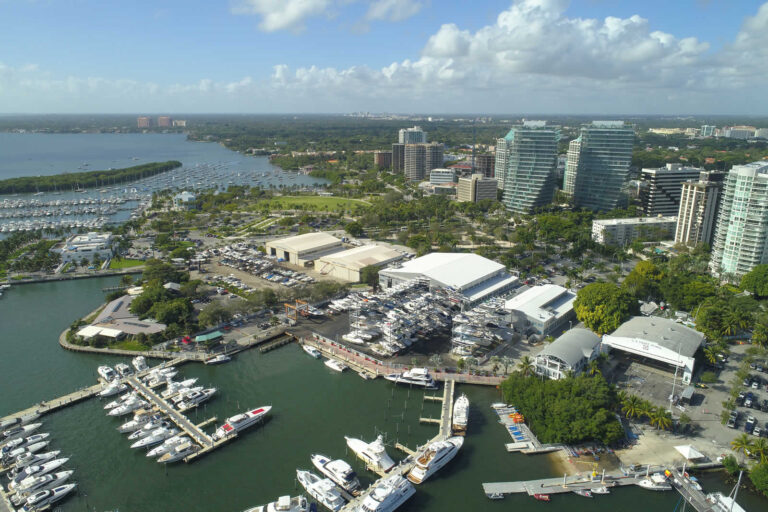
A private tour of Miami, from Coconut Grove to Coral Gables, at the pace of a Mustang convertible.
4 people included
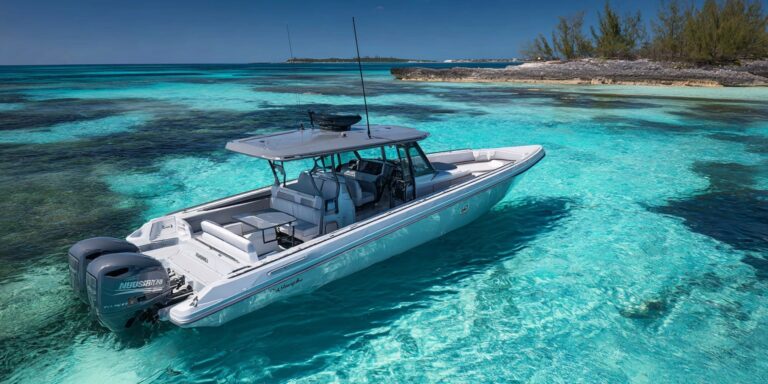
The Bahamas within reach of Miami
2 people included

Private tour of the Keys and Key West in French
Minimum 2 people · total 370 €
More stories to continue exploring.

Florida is more than just Miami Beach and theme parks. With Elite American Voyages, it becomes a subtle,...

Take part in the AMERICAN VOYAGES ELITE Challenge! Reach €40,000 in sales and win an unforgettable FAMTRIP to...

Key West is all about magical bridges, VIP turtles, crazy cocktails... and Elite American Voyages to keep things...
Indicative information to check with the official authorities before departure.
French travellers eligible for the Visa Waiver Program need an electronic or biometric passport and ESTA authorisation obtained before departure for a tourist stay or transit of up to 90 days. ESTA authorises travel, not admission: entry is decided by border officials on arrival. Apply at esta.cbp.dhs.gov at least 72 hours before departure and check exclusions, particularly those related to travel history. A different purpose or a longer stay may require a visa. Rules checked against France Diplomatie's update of 23 October 2026; requirements for each nationality must still be confirmed before booking.
For French nationals, the passport must cover the entire stay. France Diplomatie nevertheless recommends, as a precaution, allowing six months beyond the planned departure from the United States. The Visa Waiver Program requires an electronic or biometric passport; emergency passports are not eligible. Travel with the passport declared in your ESTA application.
ESTA is not a visa. The Visa Waiver Program allows eligible French travellers to visit for tourism or business for up to 90 days, without working or studying. A stay in Cuba since 12 January 2021 generally excludes travellers from this programme; other restrictions concern certain previous journeys and nationalities. Arrivals by private aircraft or boat also require a visa. Outside the programme's scope, apply to the US authorities for the appropriate visa well in advance, as processing can take time. Check your individual circumstances on official websites rather than using an intermediary presented as compulsory.
For health, the priority is to prepare rather than rely on improvised care during the trip. The CDC recommends planning ahead, protecting yourself from heat, sun and insect bites, and packing a basic first-aid kit with your regular medicines. Hand hygiene remains essential while travelling, and any illness or injury that cannot be managed with first aid or an ordinary medicine should prompt timely medical advice. For an active holiday or road trip, it is sensible to check travel insurance cover and access to nearby healthcare.
Safety depends greatly on the city, neighbourhood and itinerary. In large cities, keep an eye on personal belongings, particularly in busy areas, on public transport and at tourist sites. Take care on the roads: according to the CDC, road accidents are among the leading causes of death for travellers. Outdoor activities also require attention to heat, thunderstorms, waves, currents and local instructions. Avoid overfilled days and allow spare time.
The main point to bear in mind is the country's size: an itinerary that looks appealing on a map can become exhausting if it includes too many stops. Watch cumulative costs too, especially accommodation, transfers and highly sought-after areas. During peak season, national parks and major cities require advance bookings. Logistics matter as much as the programme itself: a missed domestic flight, an overloaded day or a poorly planned time-zone change can undermine the experience. Simplifying is better than overloading.
The United States is generally manageable for independent travellers, but accessibility varies considerably between cities, neighbourhoods, transport systems and natural sites. Major cities often have useful public transport, while many routes outside urban centres depend on a car. Travellers with reduced mobility should check access, lifts, shuttles and actual distances between parking, accommodation and attractions individually. National parks and major sites often provide accessible facilities, but terrain, heat or remoteness can make getting around more difficult.
Travel is organised mainly around flights, cars and, on certain routes, trains. In major cities, public transport may be sufficient for a city stay, but many itineraries beyond the centre depend on hiring a car. Distances are substantial, so group visits by area and avoid overly ambitious sequences of stops. Allow a margin for flight connections and driving times, especially when crossing time zones or visiting national parks.
Driving is often central to a trip in the United States, especially outside city centres. The country lends itself to road trips, but distances, fatigue and driving times must be taken seriously. Check local traffic rules, vehicle insurance, parking conditions and each state's requirements. In tourist areas and parks, weather, altitude, darkness and distance from services can complicate journeys. The CDC identifies road accidents as a major risk for travellers.
Cards are widely accepted throughout the country, and the US dollar is the local currency. It is still sensible to bring a bank card enabled for overseas payments, a backup payment method and some cash for small purchases. Depending on the establishment, fees or deposits may apply, particularly at hotels and car-hire companies. Check your bank's terms before departure.
+1
+1
The United States calls for careful logistical planning, as travel usually works best within geographical areas. Major cities provide efficient bases for exploring, while natural areas require more advance thought about driving times, weather and bookings. For a first trip, combining one region with one or two major cities is generally more comfortable than crossing the country. This approach reduces fatigue and creates a clearer itinerary.
The most effective way to travel comfortably in the United States is to simplify the itinerary. A trip runs more smoothly when stops are grouped by region, hotel changes are limited and daily plans are realistic. In major cities, a well-connected base saves time. For a road trip, book accommodation and domestic flights early, especially in peak season or near national parks. Travellers hoping to see a great deal should balance distance, fatigue and the quality of each visit rather than simply adding more stops.
The history of the United States unfolds through layers that travellers can readily explore: the country's founding, westward expansion, industrialisation, successive waves of immigration, civil-rights struggles and the emergence of a global cultural power. Washington, D.C., national museums, memorial sites and historic neighbourhoods offer tangible reference points, but history can also be read in port cities, former industrial centres and frontier landscapes. Here, the past is not fixed: it continues to be debated, commemorated and reinterpreted in public life.
American culture is first encountered through the diversity of its cities, regions and communities. Museums, music, performing arts, sport, creative neighbourhoods and local scenes form a broad cultural landscape, where a world-famous institution may sit close to a neighbourhood favourite. Travellers gain most by looking beyond a handful of symbols: each major city has its own identity, with visible immigrant, academic, African American, Latin American, Native American and Asian influences. Culture is experienced as much in streets, markets, festivals and gathering places as in institutions.
American food is particularly rewarding when explored region by region. The country brings together street food, inventive restaurants, barbecue, seafood, Southern cooking, Mexican, Asian and Caribbean influences, alongside a strong culture of brunch, coffee shops and neighbourhood addresses. For travellers, tasting locally is more revealing than searching for a single national cuisine. Specialities change quickly from state to state, and major cities often provide the broadest glimpse of this diversity. Food tells the story of the land, migration and culinary innovation.
American traditions are highly diverse, but certain themes recur: national celebrations, family gatherings, sport, barbecues, parades and community events. Their forms vary widely by region, shaped by local history, religion, immigration and the seasons. For travellers, a stay becomes richer when it includes everyday life as well as famous sights. Traditions are often found in local calendars, markets, neighbourhood celebrations and customs around the table.
One of the country's major family celebrations, Thanksgiving brings extensive travel, shared meals and a strong presence in public life. For visitors, the atmosphere is distinctive, but transport and accommodation can be under greater pressure.
Plan bookings and journeys ahead.
On 4 July, fireworks, gatherings and patriotic events take place in many cities. It is a good opportunity to observe American popular culture, but also a busy travel period.
Check local opening times and closures.
Highly visible in residential neighbourhoods, shops and cities, Halloween has become a major moment in the cultural calendar. Decorations, parades and themed evenings create an unmistakable atmosphere.
Book early if your stay falls around the date.
Commemorations of the United States' 250th anniversary highlight the country's history, culture and iconic places. They join an already rich calendar of festivals, sporting events and artistic gatherings.
Check official programmes before departure.
In the United States, a straightforward, polite and direct approach is generally helpful. Customs vary by region, but punctuality, respect for queues, consideration in public places and clear communication make travel easier. In residential neighbourhoods, pay attention to noise and local routines. Following displayed instructions in museums, restaurants, transport and parks helps avoid misunderstandings. Tipping, service customs and other social expectations may differ from those at home: check them before departure to avoid awkward situations.
Answers to the most useful questions before you decide.
This depends on your nationality and the purpose of your stay. Some travellers qualify for the Visa Waiver Program with electronic authorisation; others must obtain a visa before departure. US authorities check entry and admission requirements on arrival, so confirm your circumstances on official websites before booking.
For a first visit, 10 to 21 days allows a coherent itinerary without rushing everywhere. The country is better explored in geographical areas than through an ambitious cross-country journey. In practice, choose one region and one or two major cities, then perhaps add a nature stop.
The most flexible time depends on your chosen region, but spring and autumn are often the most comfortable seasons for combining cities and regional drives. Summer is better suited to open landscapes and coasts, while winter calls for a more specific regional focus. Climate varies considerably across the country.
Not always, but a car is often useful once you leave major cities. Public transport may be enough in city centres; for national parks, scenic drives or multi-stop itineraries, a car often becomes the simplest option. Factor in driving time, parking and fatigue.
Budgets are generally moderate to high, particularly when an itinerary includes several cities, domestic flights, well-located accommodation or national parks. Transfers and successive overnight stays quickly add up. To maintain comfort, reducing the number of stops is usually better than multiplying changes.
Yes, and this is one of the country's great strengths. A trip can readily combine an iconic city such as New York, Washington, D.C. or San Francisco with a national park or scenic drive. The key is to limit distances and book accommodation near popular sites early.
The first is an overloaded itinerary: distances can turn an appealing trip into an exhausting sequence of journeys. Keep an eye on local weather, connections, peak-season bookings and cumulative costs. Take particular care on the road, as traffic accidents are a major risk for travellers.
The CDC recommends planning ahead, protecting yourself from heat, sun and insect bites, and packing a basic first-aid kit with your regular medicines. It is also sensible to check insurance cover and access to local healthcare, especially for a road trip or active holiday.
Yes, provided the pace is realistic. Major cities offer plenty of activities, but journeys can quickly become tiring if you change hotels too often. Family trips work best with fewer stops, well-located bases and more time in each day for travel and visits.
It is possible, but English remains the main language for transport, hotels, restaurants and practical instructions. In major cities, travellers can often manage, but a few useful phrases and careful logistical preparation make the trip much smoother.
Trying to see everything, underestimating distances, booking too late in peak season and overlooking driving times are the most common mistakes. Avoid repeated hotel changes without a clear geographical reason. A simpler itinerary almost always makes for a better experience.
Ideas for extending your journey.
Canada is the major neighbouring destination to the north, often combined with the US East Coast, the Great Lakes or the mountainous West. Cross-border itineraries suit travellers keen to compare cities, nature and open landscapes.
Check entry requirements on both sides of the border.
Mexico is a natural extension to a trip in the southern United States, particularly from California, Arizona, Texas or Florida. It adds a different cultural and coastal dimension to the journey.
Plan for border formalities and crossing times.
From Florida or certain air hubs, the Caribbean is a logical extension for a combined beach-and-city trip. It offers a striking contrast to major American cities.
Check flight connections carefully.
Hawaii is sometimes combined with the West Coast on longer trips, while the North American Pacific offers possibilities for journeys focused on nature and volcanic landscapes. It is a more distant extension, but can work well for a themed trip.
Allow more time for this extension.
Editorial update: 2026-10-24
Practical information last reviewed: 2026-08-13
Ask your question: the answer draws on this guide.
Explore further with Éléonore