

Malé and its surroundings
Malé
The quays of Malé and the streets behind them reveal a densely built island capital. Treat this urban stop separately from the transfer to the island where you are staying.
Choose your island, shape your journey
Lagoons, reefs and island life: a guide to planning a stay that goes beyond a beach photograph.

In the Maldives, geography sets the pace. The islands stretch along a double chain of 26 atolls, and every transfer matters when planning a stay. A resort, an inhabited island and a stop in Malé offer different experiences: choosing where to stay also means choosing how to travel, encounter the country and enjoy the sea.
Understand the atolls, choose between a resort and an inhabited island, arrange transfers and prepare for entry to the Maldives.
Lagoons, reefs and island life: a guide to planning a stay that goes beyond a beach photograph.
Regions and discoveries
Malé and its surroundings
The quays of Malé and the streets behind them reveal a densely built island capital. Treat this urban stop separately from the transfer to the island where you are staying.

Baa Atoll
Ari
Addu, in the south
Hithadhoo in Addu Atoll is a starting point for exploring the inhabited islands of the far south. Causeways between several islands make getting around different from an atoll where every crossing is by boat.
No verified geolocated places in this region.
When to visit this region? →Malé and its surroundings
The quays of Malé and the streets behind them reveal a densely built island capital. Treat this urban stop separately from the transfer to the island where you…
Read and locateAddu, in the south
Hithadhoo in Addu Atoll is a starting point for exploring the inhabited islands of the far south. Causeways between several islands make getting around different from an atoll…
Read and locateAn urban stop and the main international gateway; check the onward transfer time to your chosen island separately.
An atoll known for its biosphere reserve, to be explored in accordance with local marine protection rules.
A useful reference point for travellers drawn to the sea; trips and wildlife sightings depend on conditions and are never guaranteed.
A different setting for an island stay, with a nature park and opportunities to explore that should be planned around available transport links.
Reefs and lagoons invite you to look beneath the water as well as towards the horizon. Yet Maldivian life extends beyond resort islands: inhabited islands have their own customs and practical constraints. Planning transfers, checking conditions for boat trips and respecting marine life helps create a more considered journey, without promising a particular wildlife encounter or perfect weather.
Travellers drawn to the sea, island landscapes and a stay at their own pace.
Limit island changes when transfers are lengthy or depend on schedules and weather.
January to March generally falls within the drier monsoon. Refine your choice around the atoll and activities, without assuming clear skies or calm seas.
The climate is tropical and warm throughout the year. Visit Maldives distinguishes the wetter south-west monsoon, from May to October, from the generally sunnier north-east monsoon, from November to April. Actual conditions vary from day to day and between islands.
Check currents, reef access and swimming areas with the local team. A lagoon that looks calm is not necessarily free of currents.
Rain and wind may affect transfers and excursions. Allow extra time before an international flight and follow the decisions of local boat operators.
The Maldives Meteorological Service places the drier season between January and March. Showers remain possible.
Choose an island and activities, not a weather promise.
The wetter period generally runs from mid-May to November. Sea conditions can affect outings.
Confirm crossings and excursions locally.
Compare the Male, Baa, North Ari and Hithadhoo in Addu Atoll references for your itinerary: they do not describe every island. April and December remain transition months, with no guarantee of dry weather.
Check bulletins for the atoll where you will stay.
Choose a region, then compare the documented local reference points. A point does not describe the whole region.
Local grid reference, not a regional average
Seasonal travel advice is not yet documented for 12 months. The available climate statistics remain accessible below.
Min.Max.
| Month | Mean minimum °C | Mean maximum °C | Rain mm |
|---|---|---|---|
| Jan | 26.9 | 27.5 | 62.3 |
| Feb | 27.0 | 27.7 | 32.2 |
| Mar | 27.6 | 28.3 | 46.5 |
| Apr | 28.1 | 28.8 | 94.4 |
| May | 28.2 | 28.8 | 200.3 |
| Jun | 27.8 | 28.4 | 145.6 |
| Jul | 27.4 | 28.2 | 170.2 |
| Aug | 27.3 | 27.9 | 178.3 |
| Sep | 27.1 | 27.8 | 182.4 |
| Oct | 27.1 | 27.8 | 178.2 |
| Nov | 26.9 | 27.6 | 208.4 |
| Dec | 26.9 | 27.6 | 171.9 |
A regional reference around Malé: this predominantly ocean grid smooths day-to-night temperature differences and does not replace a weather station on your island. Average rainfall is lower from January to March in this series, but showers and sea conditions remain variable. Northern and southern atolls may differ.
NASA POWER · 1991–2020 · 2026-10-24T17:42:04+00:00
MERRA-2: 0.5° latitude × 0.625° longitude
Model-based grid estimates, not local station observations. Precipitation totals are calculated from monthly daily means and calendar days. Sea temperature, sunshine hours and rainy days are not supplied.
Requested reference point: 4.175 / 73.5083333333
Local grid reference, not a regional average
Seasonal travel advice is not yet documented for 12 months. The available climate statistics remain accessible below.
Min.Max.
| Month | Mean minimum °C | Mean maximum °C | Rain mm |
|---|---|---|---|
| Jan | 26.8 | 27.4 | 57.0 |
| Feb | 27.0 | 27.6 | 26.4 |
| Mar | 27.6 | 28.3 | 40.7 |
| Apr | 28.2 | 28.8 | 78.9 |
| May | 28.3 | 28.9 | 193.1 |
| Jun | 27.8 | 28.5 | 168.0 |
| Jul | 27.4 | 28.1 | 173.5 |
| Aug | 27.3 | 27.9 | 164.1 |
| Sep | 27.1 | 27.8 | 164.0 |
| Oct | 27.2 | 27.8 | 169.1 |
| Nov | 26.9 | 27.6 | 189.8 |
| Dec | 26.9 | 27.6 | 150.7 |
Local NASA POWER statistical reference from a 0.5° × 0.625° model grid. It does not describe every landform, coastline or microclimate in the area; it is neither a forecast nor a weather guarantee.
NASA POWER · 1991–2020 · 2026-11-17T15:33:43.681093+00:00
MERRA-2: 0.5° latitude × 0.625° longitude
Model-based grid estimates, not local station observations. Precipitation totals are calculated from monthly daily means and calendar days. Sea temperature, sunshine hours and rainy days are not supplied.
Requested reference point: 5.185181 / 73.103694
Local grid reference, not a regional average
Seasonal travel advice is not yet documented for 12 months. The available climate statistics remain accessible below.
Min.Max.
| Month | Mean minimum °C | Mean maximum °C | Rain mm |
|---|---|---|---|
| Jan | 26.8 | 27.5 | 56.4 |
| Feb | 27.0 | 27.6 | 26.2 |
| Mar | 27.6 | 28.3 | 42.9 |
| Apr | 28.1 | 28.8 | 85.8 |
| May | 28.2 | 28.8 | 194.0 |
| Jun | 27.8 | 28.5 | 156.1 |
| Jul | 27.5 | 28.2 | 173.4 |
| Aug | 27.3 | 28.0 | 173.7 |
| Sep | 27.2 | 27.8 | 181.2 |
| Oct | 27.2 | 27.8 | 173.8 |
| Nov | 26.9 | 27.6 | 197.7 |
| Dec | 26.9 | 27.6 | 159.7 |
Local NASA POWER statistical reference from a 0.5° × 0.625° model grid. It does not describe every landform, coastline or microclimate in the area; it is neither a forecast nor a weather guarantee.
NASA POWER · 1991–2020 · 2026-11-17T15:33:45.242311+00:00
MERRA-2: 0.5° latitude × 0.625° longitude
Model-based grid estimates, not local station observations. Precipitation totals are calculated from monthly daily means and calendar days. Sea temperature, sunshine hours and rainy days are not supplied.
Requested reference point: 4.438924 / 72.871685
Local grid reference, not a regional average
Seasonal travel advice is not yet documented for 12 months. The available climate statistics remain accessible below.
Min.Max.
| Month | Mean minimum °C | Mean maximum °C | Rain mm |
|---|---|---|---|
| Jan | 27.0 | 27.6 | 139.1 |
| Feb | 27.3 | 28.0 | 66.6 |
| Mar | 27.7 | 28.4 | 79.9 |
| Apr | 28.0 | 28.7 | 125.8 |
| May | 28.0 | 28.7 | 176.9 |
| Jun | 27.7 | 28.4 | 136.3 |
| Jul | 27.4 | 28.1 | 179.2 |
| Aug | 27.2 | 27.9 | 171.9 |
| Sep | 27.1 | 27.8 | 178.4 |
| Oct | 27.2 | 27.8 | 190.8 |
| Nov | 27.0 | 27.6 | 174.4 |
| Dec | 26.9 | 27.5 | 156.5 |
Local NASA POWER statistical reference from a 0.5° × 0.625° model grid. It does not describe every landform, coastline or microclimate in the area; it is neither a forecast nor a weather guarantee.
NASA POWER · 1991–2020 · 2026-11-17T15:33:46.886202+00:00
MERRA-2: 0.5° latitude × 0.625° longitude
Model-based grid estimates, not local station observations. Precipitation totals are calculated from monthly daily means and calendar days. Sea temperature, sunshine hours and rainy days are not supplied.
Requested reference point: -0.602778 / 73.088889
Explore the reefs with appropriate guidance, without touching coral or pursuing wildlife. Visit the Baa biosphere reserve in accordance with permitted zones and activities. Plan a cultural stop in Malé, checking access to individual sites. Explore an inhabited island with clothing and behaviour suited to local customs.
Choose a main base and, if transport links allow, add a short stay in Malé or on an inhabited island. Confirm transfers before deciding how many nights to book.

Sirru Fen Fushi in the Maldives: protected reefs, regenerated coral, committed luxury. Here, travellers take action for the...
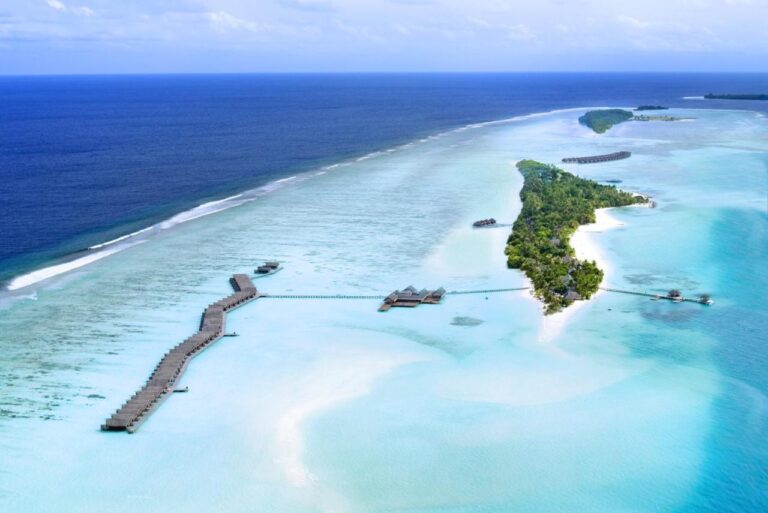
Escape to paradise at LUX* South Ari Atoll, where luxury meets the natural beauty of the Maldives.
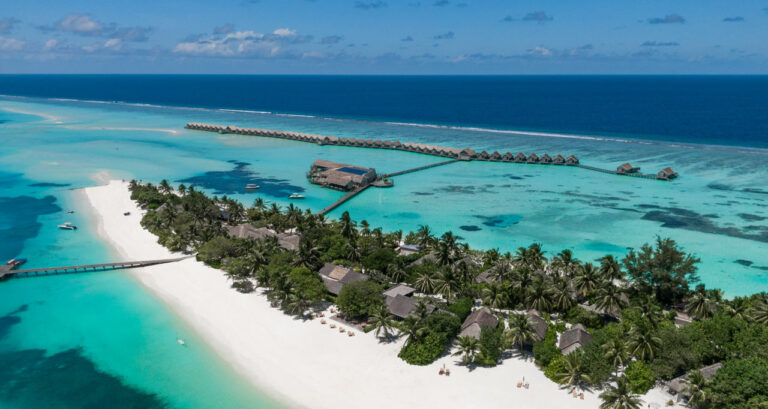
: a dream resort offering luxury villas, refined cuisine, a variety of activities and an idyllic setting for...
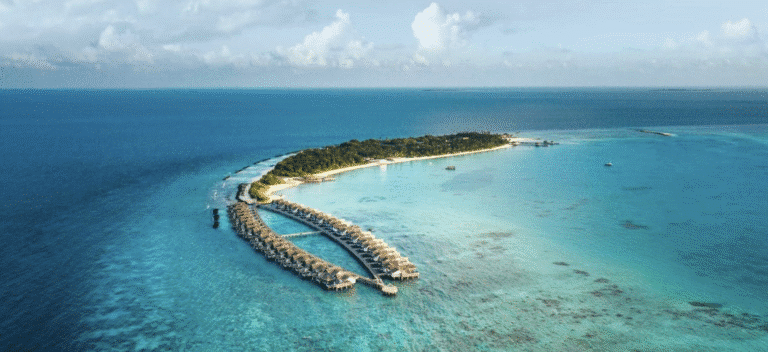
Sirru Fen Fushi: turtles, lagoon and floating BBQ. The Maldives, the chic Robinson version, for all the family!
More stories to continue exploring.

Travel in March-May for perfect weather, sublime scenery and fewer people. The ideal balance between adventure, relaxation and...
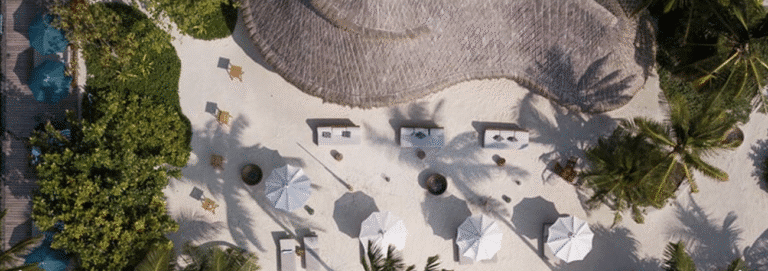
Sirru Fen Fushi is more than just a luxury: it's a place where the soul is breathed, where...
Indicative information to check with the official authorities before departure.
A tourist visa is issued on arrival provided entry conditions are met. Bring a machine-readable passport, a confirmed return ticket, prepaid accommodation at a registered establishment and sufficient funds, or approved sponsorship. Every traveller, including children, must complete the free IMUGA declaration within the 96 hours before arrival. Check the rules applying to your nationality and transit country.
Maldives Immigration requires a machine-readable travel document with at least one month of validity; an extension noted in the passport is not accepted. Airline, transit and onward-destination requirements may be stricter.
Tourist admission is decided on arrival: the IMUGA declaration does not guarantee entry. Consult the current official conditions, including any restrictions associated with the passport you use.
Medical facilities are more concentrated in Malé than at sea or on a remote island. Arrange insurance appropriate to your activities and possible evacuation. A yellow fever vaccination certificate may be required depending on your departure point or transit; seek medical advice.
Individuals may not import alcohol. Check taxes and transfers in the quotation: this guide does not certify any tax amount, as some available tourism information may be outdated.
Ask specifically about boarding boats, steps, jetties and the layout of the accommodation. Transfers are an essential consideration for travellers with reduced mobility.
Scheduled ferries connect Malé with several atolls, but they do not automatically replace a resort transfer. Check connections and allow extra time in case of poor weather.
The airport transfer depends on the island: speedboat, seaplane or domestic flight. Confirm the transport, schedules and arrangements for the final leg before booking.
On inhabited islands, respect local customs and dress appropriately. Do not assume that the rules on a resort island apply elsewhere.
The Maldives extend beyond resort islands. On inhabited islands, fishing, workshops and neighbourhood ties give a journey a different rhythm. Dhivehi is the national language; the history of trade across the Indian Ocean has shaped a distinct identity, reflected in craft skills and musical traditions. In Malé, the decoration of the Friday Mosque is one example of local stonework. Visits to places of worship remain subject to their access rules.
Tuna and coconut run through Maldivian cooking. At breakfast, mas huni combines fish, grated coconut, onion, chilli and citrus, served with roshi flatbread. Garudhiya, a fish broth served with rice and condiments, offers another expression of these flavours. At tea time, hedhikaa brings together small savoury snacks, including fish pastries and patties. On an inhabited island, a café stop offers a taste of everyday cooking beyond the international buffet.
Bodu beru singing and drumming accompany celebrations and gatherings. The rhythm often begins slowly before gathering speed. Some islands and accommodation providers organise performances: ask about the local programme rather than assuming one will be available during every stay.
Answers to the most useful questions before you decide.
Tourist visas are issued on arrival subject to conditions. Check passport requirements, supporting documents and the IMUGA declaration with the official immigration service.
The official declaration is free and must be submitted within the 96 hours before arrival for each traveller.
No. Ask for the boat, seaplane or domestic-flight arrangements, schedules and prices to be specified in the accommodation quotation.
Editorial update: October 26, 2026
Practical information last reviewed: 2026-10-24
Ask your question: the answer draws on this guide.
Explore further with Éléonore