

Stone Town
Stone Town of Zanzibar
Stone Town is the historic centre of Zanzibar City on the west coast of Unguja. Narrow streets lead from the old neighbourhoods to the waterfront.
Stone Town, lagoons and island rhythms
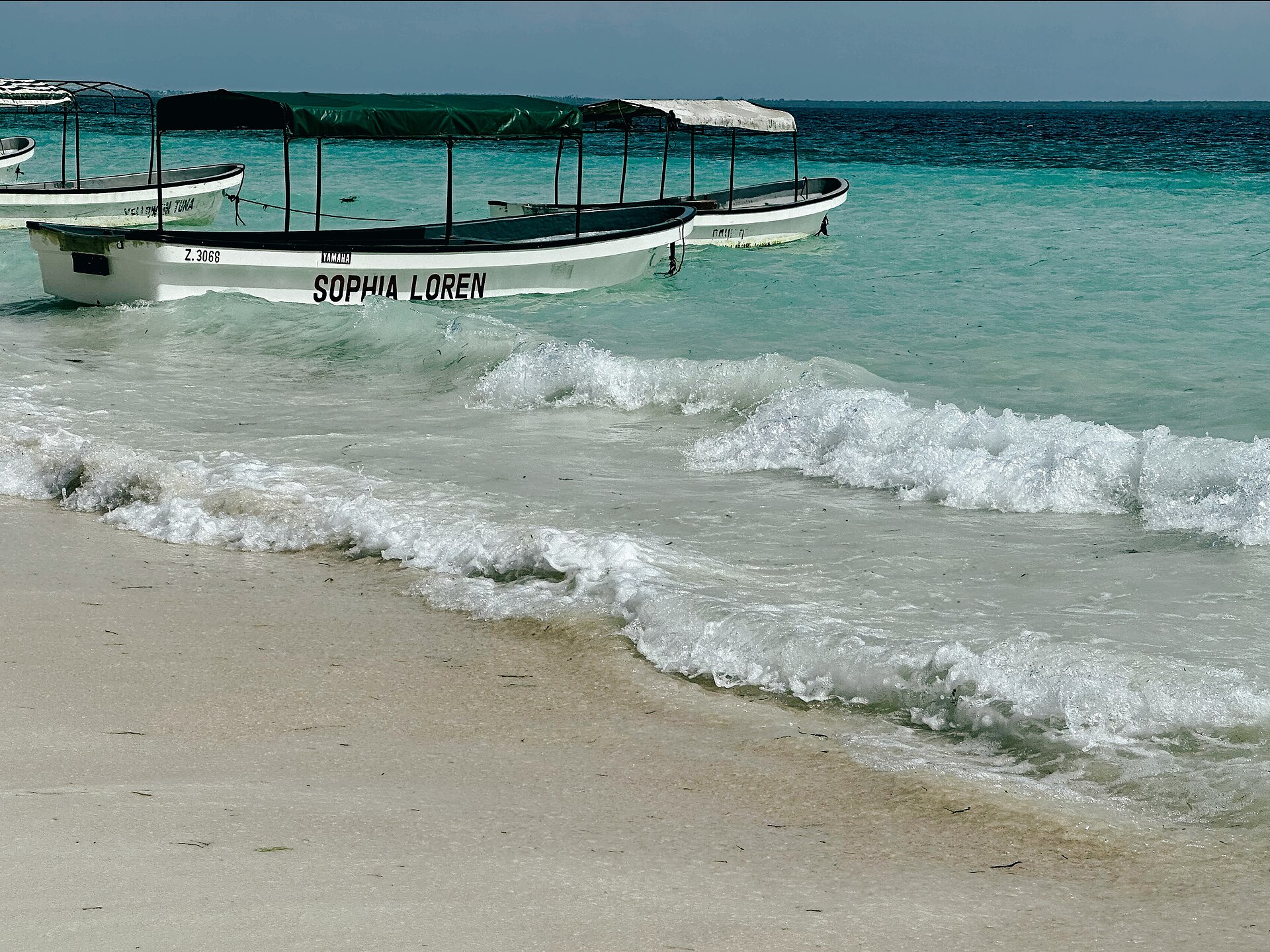
Zanzibar is best discovered as a thoughtfully planned stay rather than a simple stopover. The main island, Unguja, brings together the clearest contrasts: Stone Town for its heritage, the north for swimming that is often easier, and the east coast for longer, quieter beaches that are more affected by tides.
This geography calls for some advance planning, but gives the journey a pleasing coherence if you embrace a flexible pace and a fixed base. You then move naturally from the city to the sea and on to more contemplative days, without losing your connection to the place.
Zanzibar suits travellers looking for a proper holiday destination with a distinct cultural identity and a good level of comfort. Stone Town gives the journey context, the beaches provide rest, and boat outings add variety without overloading it. Above all, choose your coast carefully, plan transfers and accept that tides, weather and distances shape each day. In return, the island offers a flexible, elegant and straightforward escape, particularly suited to 5 to 8 nights.
Zanzibar offers a journey that goes beyond its beaches. The island combines cultural depth, rooted in Stone Town and its Swahili heritage, with coastlines suited to rest, boat outings and characterful places to stay. The pleasure lies in that balance: walking a dense historic centre, understanding the tides, choosing the right coast, then slowing down beside the sea. It rewards curious travellers who notice atmosphere, food, architectural details and the light of the Indian Ocean.
Regions and discoveries
Stone Town
Stone Town is the historic centre of Zanzibar City on the west coast of Unguja. Narrow streets lead from the old neighbourhoods to the waterfront.
Zanzibar Town
Stone Town is the historic centre of Zanzibar City on the west coast of Unguja. Narrow streets lead from the old neighbourhoods to the waterfront.

Northern Unguja
Nungwi is a coastal village at the northern tip of Unguja. This marker distinguishes the north coast from the beaches on the east side of the island.
East coast of Unguja
At Kiwengwa, the eastern shore of Unguja faces the Indian Ocean. At low tide the water recedes well away from the beach.
South-eastern Unguja
On the Michamvi peninsula, two different shores lie close together: sheltered Chwaka Bay to the west and the Indian Ocean to the east.
No verified geolocated places in this region.
When to visit this region? →Stone Town
Stone Town is the historic centre of Zanzibar City on the west coast of Unguja. Narrow streets lead from the old neighbourhoods to the waterfront.
Read and locateNorthern Unguja
Nungwi is a coastal village at the northern tip of Unguja. This marker distinguishes the north coast from the beaches on the east side of the island.
Read and locateEast coast of Unguja
At Kiwengwa, the eastern shore of Unguja faces the Indian Ocean. At low tide the water recedes well away from the beach.
Read and locateSouth-eastern Unguja
On the Michamvi peninsula, two different shores lie close together: sheltered Chwaka Bay to the west and the Indian Ocean to the east.
Read and locateThe archipelago's main island brings together Stone Town, the best-known beaches and most tourist stays. It combines heritage, the sea and the simplest travel logistics.
The most practical base.
More discreet and greener, Pemba attracts travellers seeking a more secluded atmosphere than on Unguja.
Consider it as an extension to your stay.
Mafia is better suited to travellers seeking peace, marine nature and a more contemplative pace.
An appealing option for a quieter extension.
Around Unguja, various boat trips reach islets, reefs or sandbanks depending on the weather and tides.
Check conditions before departure.
The historic centre of Zanzibar City embodies the archipelago's strongest heritage identity. It is the best starting point for understanding its trading history, Swahili influences and urban architecture.
Include it at the start or end of your stay.
Zanzibar City encompasses Stone Town and its wider urban surroundings. It serves as a practical base for arrivals, cultural visits and some connections.
Useful as an initial base.
The north of the island is often sought out for more straightforward beach stays, with a sea that is generally easier to access depending on the coast and season.
A good choice if swimming is a priority.
The east coast offers longer beaches, scattered villages and a slower pace, with a strong tidal influence.
Allow for longer transfers.
The south-east, around Michamvi, offers a more contemplative atmosphere, suited to quiet stays and sunsets.
Ideal for an unhurried stay.
Stone Town's waterfront offers a more open view of the city, with late-afternoon scenes and daily life connected to the harbour.
Pleasant in the late afternoon.
In the north, Nungwi is one of the best-known areas for beaches and boat outings. Its atmosphere is livelier than parts of the east coast.
A good choice for swimming.
Kendwa is often associated with comfortable beach stays, straightforward beach access and a range of accommodation.
Convenient for a restful stay.
The south-east offers quieter surroundings shaped by light, tides and relaxation.
A good place to slow down.
One of Stone Town's best-known landmarks, useful for locating the historic centre and understanding its layers of history.
Combine it with a walk.
An iconic waterfront monument, often associated with the island's political and urban memory.
Check opening arrangements before visiting.
The markets offer a tangible insight into local life, seafood and spices.
Go early for a livelier atmosphere.
These northern beaches are among the most straightforward options for a classic beach stay, with sea conditions that are often easier to assess than on the east coast.
A good pairing for swimming.
The historic centre is compact and very well suited to exploring on foot. It is the best starting base for a first stay, especially if you want to limit transfers.
Convenient without a car.The north of the island requires a road transfer, with journey times varying according to traffic and the chosen accommodation. The way a stay works changes markedly between city and beach.
Plan journeys in advance.The east coast is more extensive and spread out, which lengthens journeys and requires more planning. The pace is slower, but also more dependent on the tides.
Plan to stay in one base.The south-east lies in a quieter area, suited to restful stays, sunsets and occasional excursions.
Ideal for slowing down.The north combines beaches, accommodation and boat trips with logistics that are often simpler than on the east coast.
A balanced beach option.Travelling to Zanzibar means choosing a destination that combines switching off, charm and cultural depth. Few islands offer such a blend of urban heritage, Swahili atmosphere, fragrant cuisine and beaches suited to a settled stay. Travellers find a genuine sense of escape without completely losing their bearings: you can walk through Stone Town, have lunch facing the sea, take a boat trip and return to a characterful hotel. It also works well for couples and travellers on multi-destination trips, especially when the aim is to finish an itinerary with a gentler, more contemplative and more romantic chapter.
A dense, lively heritage atmosphere, where you can easily move from a shaded alley to a bustling waterfront. This is Zanzibar's most urban and story-rich side.
Include it at the beginning or end of your stay.An atmosphere of slowness, light and rest, particularly suited to travellers who want to break away from their daily rhythm. Days revolve around the sea, reading and short transfers.
Ideal for a stay focused on unwinding.Some areas of the island have a deeply contemplative feel, with shallow water, shifting colours and spectacular evenings. The experience is more about the senses than spectacle.
Seek this out if you want a romantic atmosphere.A more food-focused and cultural tone that adds depth to the stay without overloading it. Markets, aromas and coastal dishes ground the journey in a distinctly local world.
Combine it with a visit to Stone Town.Zanzibar suits travellers seeking a beach escape with a genuine cultural identity rather than a beach-only holiday. It appeals to couples, friends and those on a wider itinerary who enjoy characterful hotels, long beaches, boat outings and walks in Stone Town. The pace particularly suits those who want to alternate rest, discovery and manageable transfers without too many stops. It also helps to accept that arrangements may be less predictable than in highly standardised destinations: tides, varying distances between coasts and advance planning all matter. The island is more convincing as a contemplative, romantic or sea-and-culture stay than as a highly urban or action-packed trip.
slow to moderate, with a fixed base
Stone Town brings the journey's heritage dimension through narrow streets, old facades and markets, while the coasts offer beaches, swimming, tides, sunsets and boat outings. Zanzibar lends itself to thoughtful relaxation: beach time, spas, snorkelling, sailing offshore or dinner on the sand, as well as sensory discoveries through spices, Swahili food and harbour life. Travellers can find a balance between switching off and cultural exploration if they keep a flexible pace and choose an area that matches their priorities. It is less a touring destination than somewhere to settle and enjoy in stages.
from carefully managed to comfortable budgets
mid-range to high-end
June to October
Zanzibar has a hot tropical climate, with generally high temperatures throughout the year and seasons mainly shaped by rain, humidity and winds. The most stable periods for a beach stay are generally between June and October, while January and February often offer a pleasant alternative before the long rains return. March to May is wetter, and November and December also see showers increase again. For travellers, the main consideration is less the heat than weather consistency and the quality of sea conditions.
Diving and snorkelling are possible for much of the year, but the best windows are generally when sea conditions are easier to assess, the weather is more stable and visibility is less affected by rain. From June to October, and often in January and February, conditions are generally more favourable for arranging more comfortable trips out to sea. Local operators remain essential for confirming visibility, sea conditions and suitable times for the chosen site. It is best to avoid fixing a diving day without any flexibility during the wettest months.
Monsoon winds shape how Zanzibar's climate feels and explain some of the differences between seasons. The wettest period falls mainly between March and May, directly affecting the ease of transfers and outdoor activities. Humidity also returns in November and December, often less disruptively but enough to call for flexibility. Winds can make certain coasts feel cooler, but also affect swimming, sailing and comfort. Think in terms of weather windows rather than uniform monthly guarantees.
Hot and often pleasant for the beach, with weather that remains relatively settled.
A good month for a short stay.
Conditions are often favourable before the long rains return.
A useful choice for sunshine.
The wettest period, with more changeable weather and more frequent showers.
Plan alternatives to beach days.
The most consistently comfortable window for a beach holiday.
The best overall period.
More humid, with rain that can interrupt outdoor plans.
Flexibility is recommended.
From March to May, showers are more frequent and arrangements can become less straightforward. Beach days may be interrupted and transfers more demanding.
Less suited to a beach-focused holiday.
Humidity increases in November and December, but a stay remains possible with flexible plans. This can be an interesting period for those seeking fewer visitors.
Book with flexibility.
From June to October, conditions are often at their most consistent for enjoying the sea, excursions and travel between Stone Town and the beaches.
The most straightforward period to recommend.
January and February often bring relatively settled weather before the long rains return. They offer a useful window for a short stay or a winter escape.
A worthwhile alternative.
5 to 8 nights
June to October remains the most straightforward recommendation, with more consistent weather and fewer interruptions to beach activities. January and February offer an appealing alternative, with warmth and relatively settled conditions. From March to May, a stay needs more flexibility: rain is more frequent, journeys may be less comfortable and beach days more interrupted. In practice, choose your coast with the tides in mind, confirm boat departure times and keep a single base to limit transfers. This approach makes the stay smoother and more restful.
From June to October, conditions are generally most consistent for beaches, boat outings and sightseeing. This is the simplest window for planning a stay with fewer weather uncertainties.
The first period to consider.
January and February often offer settled weather, pleasant warmth and seas generally suited to beach activities.
A good alternative during the northern winter.
From March to May, more frequent showers can disrupt outdoor days, transfers and water-based outings.
Less suitable when the beach is the priority.
November and December remain more humid, with possible rainy spells, but a stay is feasible with flexible plans.
Possible with flexibility.
Choose a region, then compare the documented local reference points. A point does not describe the whole region.
Local grid reference, not a regional average
Seasonal travel advice is not yet documented for 12 months. The available climate statistics remain accessible below.
Min.Max.
| Month | Mean minimum °C | Mean maximum °C | Rain mm |
|---|---|---|---|
| Jan | 27.0 | 29.5 | 56.9 |
| Feb | 27.1 | 29.8 | 50.0 |
| Mar | 27.5 | 29.9 | 115.0 |
| Apr | 27.2 | 29.2 | 241.3 |
| May | 26.2 | 28.3 | 181.5 |
| Jun | 25.0 | 27.5 | 34.3 |
| Jul | 24.2 | 26.9 | 21.9 |
| Aug | 24.0 | 27.0 | 14.4 |
| Sep | 24.4 | 27.6 | 19.9 |
| Oct | 25.4 | 28.5 | 56.5 |
| Nov | 26.4 | 29.2 | 93.5 |
| Dec | 27.1 | 29.6 | 90.8 |
NASA POWER · 1991–2020 · 2026-10-26T12:29:42+00:00
MERRA-2: 0.5° latitude × 0.625° longitude
Model-based grid estimates, not local station observations. Precipitation totals are calculated from monthly daily means and calendar days. Sea temperature, sunshine hours and rainy days are not supplied.
Requested reference point: -6.1666666666667 / 39.2
Local grid reference, not a regional average
Seasonal travel advice is not yet documented for 12 months. The available climate statistics remain accessible below.
Min.Max.
| Month | Mean minimum °C | Mean maximum °C | Rain mm |
|---|---|---|---|
| Jan | 27.0 | 28.8 | 53.0 |
| Feb | 27.1 | 29.0 | 45.3 |
| Mar | 27.7 | 29.2 | 110.1 |
| Apr | 27.5 | 28.8 | 249.2 |
| May | 26.6 | 27.9 | 205.7 |
| Jun | 25.4 | 27.0 | 41.4 |
| Jul | 24.6 | 26.3 | 27.2 |
| Aug | 24.2 | 26.1 | 18.4 |
| Sep | 24.5 | 26.6 | 24.1 |
| Oct | 25.4 | 27.4 | 67.9 |
| Nov | 26.5 | 28.1 | 100.5 |
| Dec | 27.1 | 28.7 | 93.2 |
Local NASA POWER statistical reference from a 0.5° × 0.625° model grid. It does not describe every landform, coastline or microclimate in the area; it is neither a forecast nor a weather guarantee.
NASA POWER · 1991–2020 · 2026-11-17T15:55:14.296345+00:00
MERRA-2: 0.5° latitude × 0.625° longitude
Model-based grid estimates, not local station observations. Precipitation totals are calculated from monthly daily means and calendar days. Sea temperature, sunshine hours and rainy days are not supplied.
Requested reference point: -5.726 / 39.296
Local grid reference, not a regional average
Seasonal travel advice is not yet documented for 12 months. The available climate statistics remain accessible below.
Min.Max.
| Month | Mean minimum °C | Mean maximum °C | Rain mm |
|---|---|---|---|
| Jan | 27.0 | 29.5 | 56.9 |
| Feb | 27.1 | 29.8 | 50.0 |
| Mar | 27.5 | 29.9 | 115.0 |
| Apr | 27.2 | 29.2 | 241.3 |
| May | 26.2 | 28.3 | 181.5 |
| Jun | 25.0 | 27.5 | 34.3 |
| Jul | 24.2 | 26.9 | 21.9 |
| Aug | 24.0 | 27.0 | 14.4 |
| Sep | 24.4 | 27.6 | 19.9 |
| Oct | 25.4 | 28.5 | 56.5 |
| Nov | 26.4 | 29.2 | 93.5 |
| Dec | 27.1 | 29.6 | 90.8 |
Local NASA POWER statistical reference from a 0.5° × 0.625° model grid. It does not describe every landform, coastline or microclimate in the area; it is neither a forecast nor a weather guarantee.
NASA POWER · 1991–2020 · 2026-11-17T15:55:15.871926+00:00
MERRA-2: 0.5° latitude × 0.625° longitude
Model-based grid estimates, not local station observations. Precipitation totals are calculated from monthly daily means and calendar days. Sea temperature, sunshine hours and rainy days are not supplied.
Requested reference point: -5.985473 / 39.375589
Local grid reference, not a regional average
Seasonal travel advice is not yet documented for 12 months. The available climate statistics remain accessible below.
Min.Max.
| Month | Mean minimum °C | Mean maximum °C | Rain mm |
|---|---|---|---|
| Jan | 27.0 | 29.5 | 56.9 |
| Feb | 27.1 | 29.8 | 50.0 |
| Mar | 27.5 | 29.9 | 115.0 |
| Apr | 27.2 | 29.2 | 241.3 |
| May | 26.2 | 28.3 | 181.5 |
| Jun | 25.0 | 27.5 | 34.3 |
| Jul | 24.2 | 26.9 | 21.9 |
| Aug | 24.0 | 27.0 | 14.4 |
| Sep | 24.4 | 27.6 | 19.9 |
| Oct | 25.4 | 28.5 | 56.5 |
| Nov | 26.4 | 29.2 | 93.5 |
| Dec | 27.1 | 29.6 | 90.8 |
Local NASA POWER statistical reference from a 0.5° × 0.625° model grid. It does not describe every landform, coastline or microclimate in the area; it is neither a forecast nor a weather guarantee.
NASA POWER · 1991–2020 · 2026-11-17T15:55:17.297184+00:00
MERRA-2: 0.5° latitude × 0.625° longitude
Model-based grid estimates, not local station observations. Precipitation totals are calculated from monthly daily means and calendar days. Sea temperature, sunshine hours and rainy days are not supplied.
Requested reference point: -6.14158 / 39.49877
In Zanzibar, the most successful experiences are often those that leave room for the island's rhythm. A visit to Stone Town helps you understand its Swahili and trading history, while a boat trip or a simple day at the beach brings rest to the stay.
Spice markets, fish meals and sunsets round out the picture. The aim is variety without spreading yourself too thin: a little city, a little sea, a little culture, then time to enjoy the surroundings. This alternation is what makes the journey memorable.
Zanzibar's historic heart immediately adds depth to a trip. Its compact urban fabric invites you to walk, pause, notice architectural details and sense the island's trading history.
A rewarding first base for 1 to 2 nights.
Zanzibar's beaches have very different characters depending on the coast. The east is more affected by tides, the north is often easier for swimming, and the south-east suits quieter stays.
Choose the coast according to how you want to enjoy the sea.
The island combines Swahili heritage with Arab, Indian and African influences, and has a strong culinary and trading identity. Spice and market visits complement time by the sea.
Include this to give the stay more context.
Zanzibar is particularly suited to distinctive accommodation, romantic stays and restful escapes. Natural scenery and the gentler atmosphere of some coastlines reinforce the sense of an unhurried journey.
Well suited to a stay of 5 to 8 nights.
Begin with 1 to 2 nights in Stone Town to explore the island's history, then move to a quiet beach for the second part of the stay. The contrast between narrow streets, waterfront and seaside accommodation creates a good balance.
Ideal for a first visit to Zanzibar.
A northern base makes swimming and water-based activities easier, with beach days often requiring simpler arrangements. Add a boat outing without multiplying transfers.
A good choice when the sea is your priority.
The east coast suits a slower stay shaped by tides, light and long beaches. Keep plans deliberately flexible, with fewer journeys and more time in one place.
A good choice for a romantic escape.
Combining Zanzibar with a safari or a mainland stop creates a fuller journey between the sea and wide-open landscapes. It needs more advance planning but works well for a longer stay.
Consider this for a more varied journey.
Guidance to help you choose somewhere to stay that suits your journey.
Zanzibar is particularly well suited to charming hotels, small seaside places and accommodation that showcases local architecture. Stone Town works well for a first or last night, while the beaches of the east coast or north are better suited to a settled beach stay. The right choice depends mainly on what you want to do: walk, swim easily, enjoy a romantic setting or stay somewhere quiet. It is better to favour accommodation that suits the chosen coast rather than an overly central property poorly suited to transfers and tides.
Travel ideas to turn inspiration into a journey.
The most relevant offers for Zanzibar are those combining charming accommodation, private transfers and simple experiences with strong perceived value: Stone Town, the beach, a boat trip, dinner by the water or a safari extension. The destination suits thoughtfully composed stays with few stops and a real focus on rest more than overloaded itineraries. The best opportunities are often those that leave flexibility over the coast, duration and pace, accommodating tidal and weather constraints without sacrificing comfort.
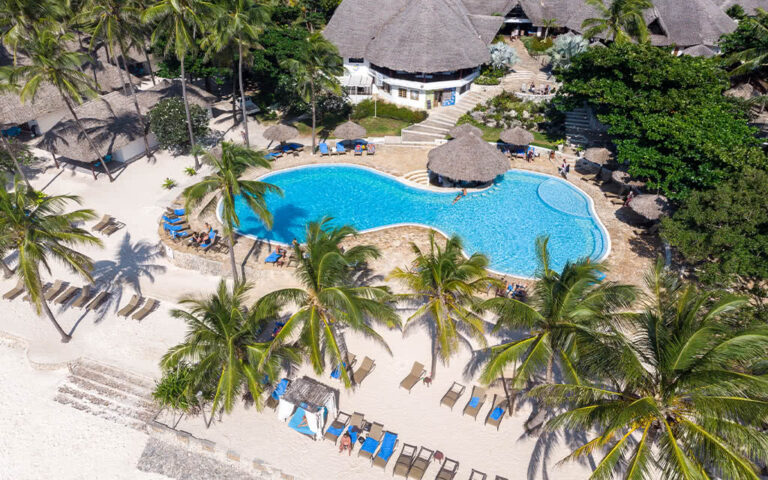
Karafuu Beach Resort & Spa — Zanzibar
2 people included
Indicative information to check with the official authorities before departure.
French travellers should arrange a Tanzanian visa and a passport valid for more than six months from arrival. Compulsory local insurance is required in addition to private cover: the scheme depends on the first entry point, NIC on the mainland or ZIC in Zanzibar. France Diplomatie states that one local policy covers a combined mainland and Zanzibar stay; it does not replace appropriate medical and repatriation cover. According to the official alert consulted on 24 October, an advance Afyamsafiri health declaration has also been required since 17 October 2026. Check these conditions again just before departure, according to nationality and itinerary.
French nationals need a passport valid for more than six months from arrival in Tanzania. Keep a separate copy and check transit and visa requirements. Entry checks ultimately determine the length of stay granted.
French nationals require a Tanzanian tourist visa. Applications can be made at visa.immigration.go.tz; France Diplomatie also confirms issuance at certain official entry points, including Zanzibar airport and port. Check the stay actually granted by immigration. Business or voluntary work must not be undertaken on a tourist visa.
Mosquito prevention is a major health consideration in Zanzibar, with malaria risk in Tanzania and other insect-borne diseases such as dengue. The CDC recommends discussing malaria prophylaxis before departure, travelling with personal medication and carrying a comprehensive health kit. It also advises safe drinking water, thoroughly cooked food and avoiding untreated freshwater swimming. Seek medical advice promptly for fever during or after travel. As of 24 October 2026, health checks at Tanzanian borders had been strengthened because of the regional situation. Consult the latest France Diplomatie alerts and complete the Afyamsafiri declaration before arrival. If symptoms occur after a stay in the region, contact a health professional immediately, explain your travel history and follow their instructions rather than going to a healthcare facility unannounced.
US authorities advise reconsidering travel to Tanzania because of unrest, crime and terrorism risks, with heightened caution in Zanzibar as elsewhere. Use official taxis or arranged transfers, watch personal belongings and avoid isolated areas at night. LGBTQ+ travellers should take particular care, as harassment and refusal of entry have been reported. Check the sea, tides and weather before any water-based outing.
Tides and distances are the first practical considerations: a beach that looks ideal may be less convenient depending on the time, coast or kind of swimming you want. Allow for transfers between Stone Town, the north and the east coast that may take longer than expected. Check entry formalities before departure, as passport and visa requirements are strict and may vary by nationality. US authorities advise reconsidering travel to Tanzania because of risks associated with unrest, crime and terrorism. LGBTQ+ travellers should take particular care because restrictions and harassment risks exist.
Independent travel in Zanzibar is possible, but accessibility varies between areas. Stone Town is the easiest area to explore on foot, while many beaches and coastal hotels require road or private transfers. Tides, sandy paths and some beach entrances can complicate movement for people with reduced mobility. Choose accommodation with suitable direct access and confirm arrival arrangements, steps and ease of getting around before booking. For a comfortable stay, limit hotel changes and favour one well-located base.
Travel is mainly by taxi, private transfer, car with a driver or local minibus. Stone Town is easy to explore on foot, but the east coast beaches and several hotels are more spread out. Tides, sandy tracks and variable road conditions can lengthen journey times. For a smooth stay, it is better to limit changes of accommodation, book transfers in advance and confirm boat or sea excursion schedules.
Traffic drives on the left in Tanzania. In Zanzibar, caution is important on roads that can be narrow, with unpredictable local traffic, pedestrians, motorcycles and sandy or damaged stretches depending on the area. Journeys between Stone Town, the north and the east coast can take longer than expected. To rent a vehicle or drive yourself, you need to check the insurance, the vehicle's condition and the applicable driving licence requirements. In practice, a local driver or an arranged transfer is often simpler than driving yourself.
Arrive by air at Zanzibar Airport, or through mainland Tanzania with an onward flight or sea crossing.
Sea connections link Zanzibar to mainland Tanzania and serve some excursions, but depend on weather, timetables and departure point. Book with reliable operators, reconfirm times the day before and allow a safety margin before any onward flight. Flying is often simpler for travellers prone to seasickness or on a tight schedule. Crossings always need a final check close to departure.
230 V, type G sockets
Cards are accepted in many hotels and tourist establishments, but cash remains useful for taxis, small purchases and local activities. US authorities also highlight restrictions on currency when entering and leaving the country, making it advisable to check the rules before travelling with large amounts. To avoid unwelcome surprises, it is best to plan for a combination of card and cash payments and confirm which payment methods your accommodation accepts.
+255
+255
Zanzibar is easier to enjoy with a simple plan: one main base, few transfers and realistic expectations about tides and journey times. Stone Town provides cultural contrast, while the coasts offer beach time. For comfort, check beach access, steps, ease of movement and tide times in advance, particularly if swimming matters to you. Travellers combining Zanzibar with mainland Tanzania should also plan flight or ferry connections carefully.
In Zanzibar, first choose a coast that suits how you want to enjoy the sea, then limit hotel changes. Stone Town works well at the start or end of a stay, while the beaches suit a fixed base. Book transfers ahead, especially for late arrivals or journeys combining boat and road. Allow flexibility, as tides, weather and distances can change the course of a day. Carry some cash as well as cards.
Zanzibar's history is that of a strategic Indian Ocean port, long connected to trade routes between Africa and Asia. Stone Town preserves an urban fabric that bears witness to this movement of people, goods and cultural influences. UNESCO highlights the city's exceptional illustration of the architecture and urban organisation of a Swahili trading town, enriched by Arab, Indian and European contributions. The journey thus gains a particular depth: the beach does not erase history, but continues it in a different form.
Zanzibar is best understood as an Indian Ocean Swahili culture, shaped by long-standing exchanges between East Africa, the Arab world, India and Europe. Stone Town is its best gateway: narrow lanes, carved doors, coral houses and the waterfront tell the story of a living trading city, listed as a UNESCO World Heritage Site. For travellers, the interest lies in observing everyday customs, the practices of trade and the sea's place in local life, without reducing the island to an exotic backdrop. A curious, understated approach that is attentive to religious and social contexts makes the discovery more accurate and richer.
Zanzibar's cuisine reflects its history as a maritime crossroads. Rice, fish, seafood, coconut and spices feature in simple but highly aromatic Swahili cooking. Markets and small local eateries often offer the most accurate insight into the destination: they reveal ingredients, dining habits and the direct link between cooking and daily life. For a pleasant stay, favour well-frequented places and thoroughly cooked dishes, and pay constant attention to food hygiene, especially when eating outside the hotel frequently.
Zanzibar's traditions are expressed through Swahili language, predominantly Muslim religious practices, a culture of courtesy and social life closely linked to the sea. Visitors quickly notice the importance of dress, tone and ways of meeting people. Markets, shared meals, prayer times and religious festivals shape daily life. The interest lies not in a fixed folklore but in understanding a living coastal society where influences mingle without erasing local customs.
During the fasting month, daily rhythms change noticeably, with adjusted hours and a quieter atmosphere during the day.
Allow flexible timings and dress modestly.
The end of Ramadan is marked by important family and religious occasions, with more visitors in some places.
Check opening and service hours.
This major Muslim festival affects local life and the availability of some services.
Plan bookings and journeys ahead.
Cultural and music events may take place through the year in Zanzibar Town and Stone Town, depending on local programmes.
Confirm dates with local sources before departure.
In Zanzibar, courtesy and discretion matter as much as the itinerary. Clothing that covers shoulders and knees is more appropriate away from the beach, especially in Stone Town and public spaces. Ask before photographing people, places of worship or everyday scenes. Public displays of affection may draw attention, so restraint is advisable. During Ramadan, pay particular attention to customs, opening hours and tone. A simple greeting, an unhurried pace and a respectful manner make encounters easier.
Answers to the most useful questions before you decide.
The most straightforward period for a beach holiday is generally from June to October, with more consistent weather and more comfortable conditions for the beach and boat trips. January and February can also offer a good alternative. March to May is wetter and calls for greater flexibility.
Yes, because Stone Town gives the stay context. Its urban fabric, narrow streets and Swahili heritage help you understand the island's history before moving on to the beach part of the trip. One or two nights are often enough to create this contrast between heritage and relaxation without overloading the itinerary.
The north of the island is often sought after for easier swimming, while the east coast offers longer beaches that are more affected by the tides. The right choice depends mainly on your travel pace, the season and the kind of beach you are looking for. Staying in one base remains the most comfortable option.
Yes, very much so. The island works well for a stay for two thanks to its charming hotels, sunsets, quiet beaches and island atmosphere. The journey gains even more depth when you combine Stone Town, a peaceful stretch of coast and a few simple experiences such as a seaside dinner or a boat trip.
A stay of 5 to 8 nights often offers the best balance for discovering Stone Town, enjoying a suitable beach and keeping a restful pace. A shorter trip can feel rushed. For longer stays, the appeal depends mainly on your desire to slow down, take marine excursions or combine the trip with mainland Tanzania.
Yes, especially on the east coast. They can change swimming access, the appearance of the beach and the day's plans. Check tide times, choose a coast that matches your expectations and avoid repeated accommodation changes. In Zanzibar, understanding the sea matters as much as enjoying it.
Visitors need a passport valid for at least six months and a visa. Rules may vary by nationality and itinerary, so check official requirements shortly before departure. Depending on the circumstances, a return ticket, sufficient funds and specific entry insurance for Zanzibar may also be required.
Yes. Mosquito protection is important because malaria and other mosquito-borne diseases occur in Tanzania, including Zanzibar. Seek advice before departure, plan effective bite prevention and travel with a comprehensive health kit. Seek medical advice promptly if you develop a fever.
Travel is manageable but needs some advance planning. Stone Town is easy to explore on foot, while beaches and many hotels require road transfers. Roads, sand and tides can increase travel times. Limit hotel changes and book transfers ahead for a smoother stay.
Zanzibar chiefly suits travellers who enjoy alternating culture, the sea and rest, rather than highly urban or action-packed stays. Couples, friends and travellers on wider itineraries often find a good balance here. You do need to accept less standardised arrangements, with tides, distances and timings built into your plans.
Ideas for extending your journey.
The major mainland city complements a trip to Zanzibar, particularly for flight connections and an additional city stay.
Useful as a transit stop.
The neighbouring island offers a quieter, greener atmosphere, making it an appealing extension away from the busiest areas.
For a more secluded journey.
Mafia attracts travellers looking for a quieter island, often associated with marine wildlife and diving.
A good choice for tranquillity.
Northern Tanzania offers a classic beach-and-safari combination with a straightforward travel route.
Ideal for a beach-and-safari itinerary.
These parks in southern Tanzania provide another possible extension for a longer and more varied journey.
Consider them for a more varied trip.
Editorial update: October 26, 2026
Practical information last reviewed: 2026-10-24
Ask your question: the answer draws on this guide.
Explore further with Éléonore