
West coast and Colombo
Travel guide
Sri Lanka
A compact, varied country that lends itself naturally to a touring itinerary
Introduction
Discover the destination
Sri Lanka unfolds as an island of contrasts: compact, yet remarkably rich in landscapes, cultural sites and travel experiences. Colombo often serves as the gateway before the journey continues towards the central landmarks, the highlands or the coast. The country suits a first major trip to South Asia as well as a more carefully planned touring holiday. To enjoy it fully, allow a realistic pace, accept that journeys may take longer than expected and consider the seasons carefully for each coast.
The journey at a glance
Sri Lanka offers a well-balanced touring destination, combining heritage, nature and coast. Its compact size makes a varied itinerary possible without long interruptions, provided you choose the right coast for the season and remain flexible about travel times. Colombo is often the practical entry point, followed by the Cultural Triangle, the highlands and a final stay by the sea. Organised, curious travellers who pay attention to local conditions will find plenty of possibilities for a rewarding 10- to 14-day journey.
Sri Lanka offers a rich, varied journey in which ancient heritage, tea-covered hills, beaches and historic towns can be combined without numerous domestic flights. It particularly suits travellers seeking a flexible itinerary, with relatively close stops that nevertheless bring considerable variety. Part of its appeal is how quickly the surroundings change: a morning in the Cultural Triangle, an evening in the highlands, then time by the coast. Planning around the seasons, transfers and entry requirements makes the trip more comfortable, as both weather and roads strongly influence the experience.
The essentials at a glance
- Country
- Sri Lanka
- Region
- South Asia
- Area
- a tropical island in the Indian Ocean
- Main city
- Colombo
- Official languages
- Sinhala and Tamil
- Currency
- Sri Lankan rupee (LKR)
- Time zone
- UTC+5:30
Regions and discoveries
Explore the destination
Cultural Triangle
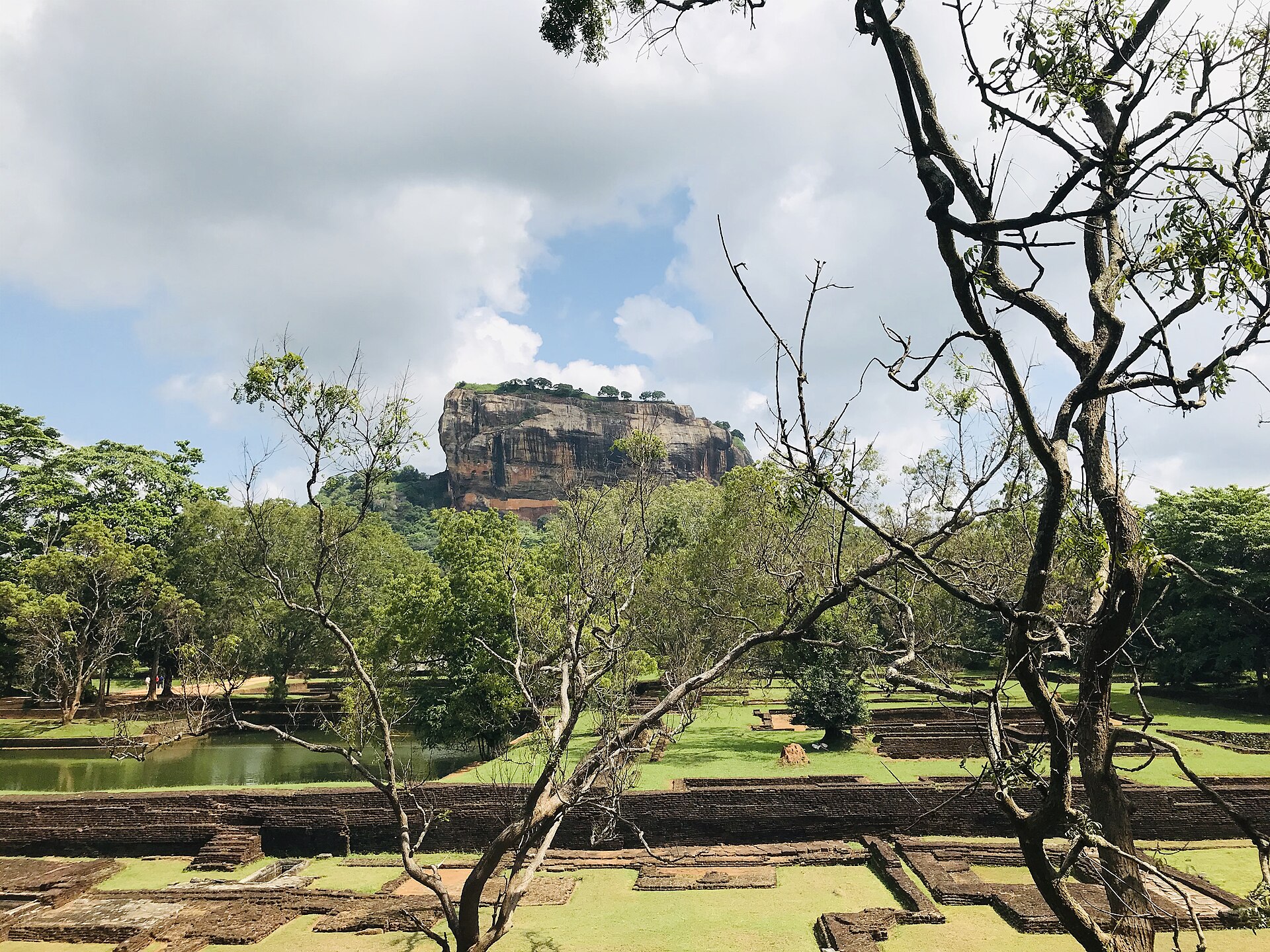
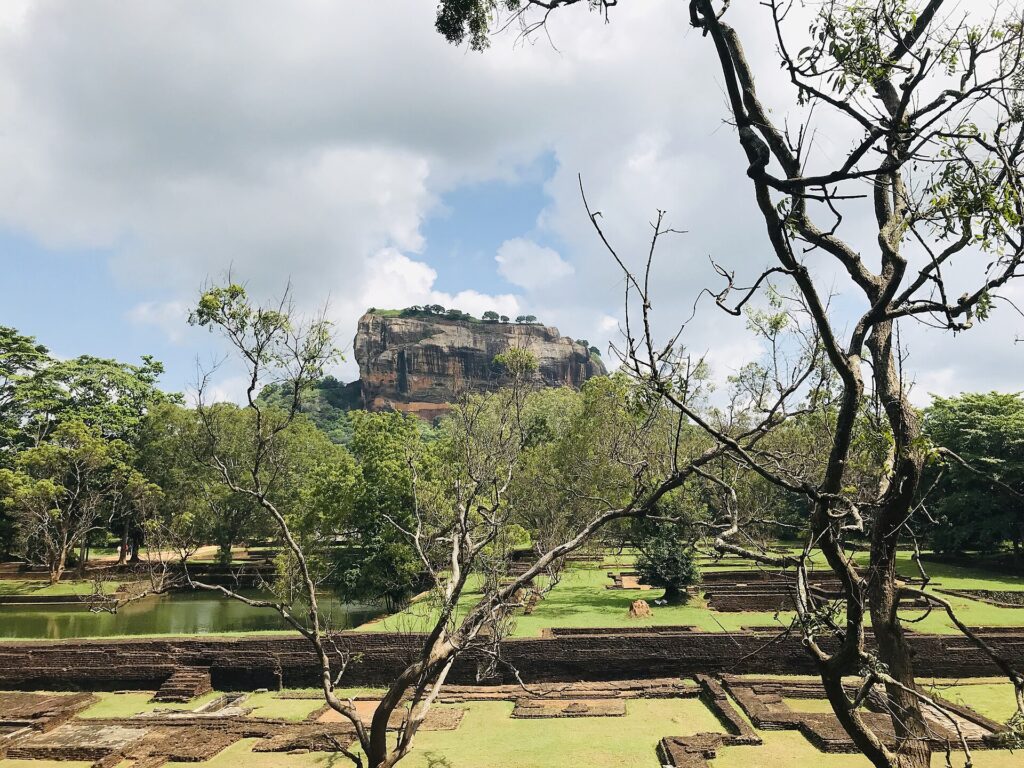
Lion Rock
Central Highlands
Nuwara Eliya
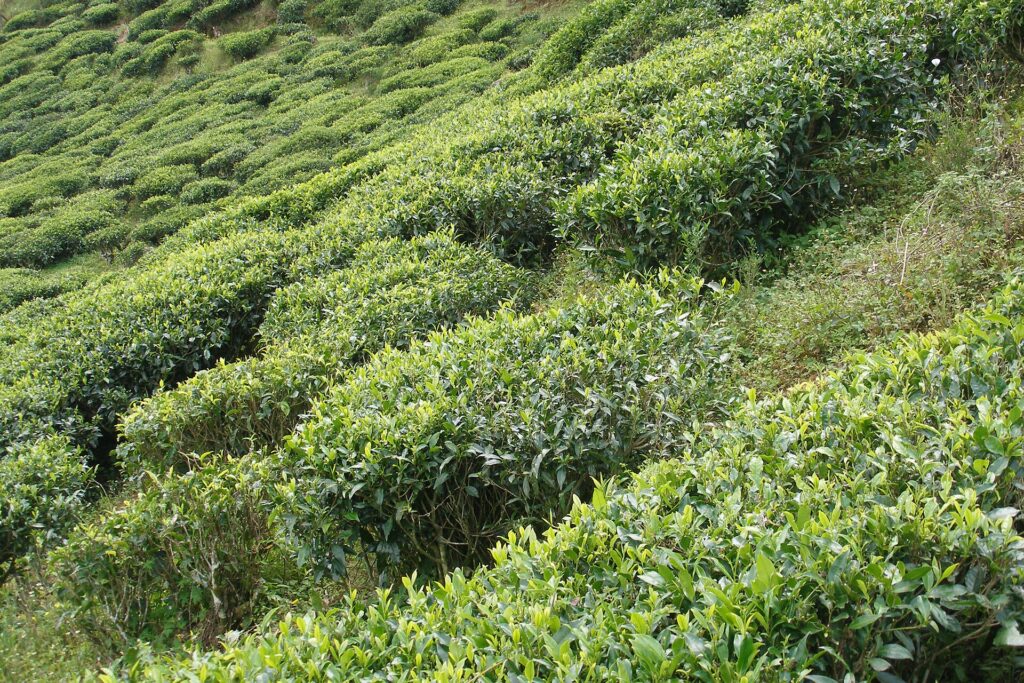
Nuwara Eliya is a highland stop with gardens in town and tea growing on the surrounding slopes. Plan the town walk separately from visits that require a journey out of the centre.
South and southwest coast
Galle Fort
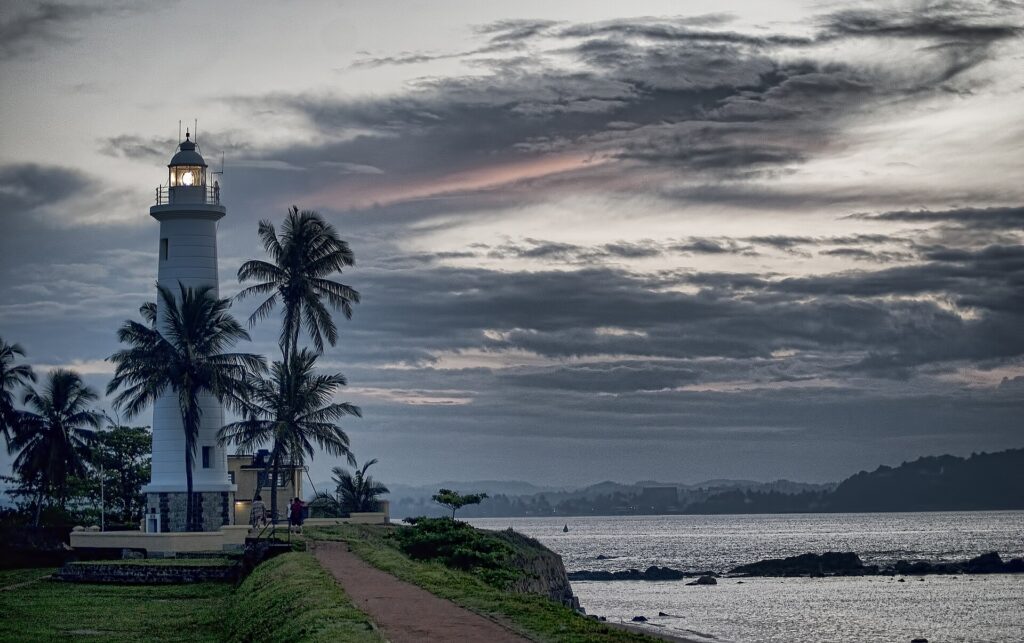
On the south coast, follow the sea along the ramparts of Galle before turning back into the streets of the fortified town. The walk gives two different views of the harbour and the old quarter.
No verified geolocated places in this region.
When to visit this region? →All places
Central Highlands
Nuwara Eliya
Nuwara Eliya is a highland stop with gardens in town and tea growing on the surrounding slopes. Plan the town walk separately from visits that require a journey…
Read and locateSouth and southwest coast
Galle Fort
On the south coast, follow the sea along the ramparts of Galle before turning back into the streets of the fortified town. The walk gives two different views…
Read and locatePlace notes and further reading
Main island
Most travel in Sri Lanka takes place on its main island, between coastal plains and highlands. The landscape rises quickly from the coast into higher ground, allowing beaches, heritage and mountains to be combined within one country.
Most itineraries work as a loop.
West coast and Colombo
The west coast brings together the international arrival point, services and the commercial capital. Colombo is a practical gateway for a first visit, with straightforward access to the southwest beaches and cultural circuits inland.
Convenient for arrival, transfers and a short city stay.
Cultural Triangle
Anuradhapura, Polonnaruwa and Sigiriya shape the country's historic interior. This area combines major heritage sites, landscapes that can be drier depending on the season, and stops that work well together over several days.
A strong choice for a journey focused on history and temples.
Central Highlands
Kandy, Nuwara Eliya and Ella reveal a cooler, hillier and more panoramic side of Sri Lanka. Journeys are slower here, but tea landscapes, viewpoints and walks create a very different rhythm from the coast.
Allow more road time than in the lowlands.
South and southwest coast
Galle, Mirissa, Tangalle and the neighbouring beaches form the most sought-after area for combining the sea, colonial heritage and coastal scenery. Sea conditions are often more favourable during the southwest's dry season.
Well suited to a beach holiday with varied stops.
Fort, Colombo
Colombo's historic central district, Fort is one of the most useful places to begin understanding the city. Administrative buildings, hotels and services are concentrated here, in surroundings that feel distinctly urban rather than beach-oriented.
Convenient for a first night or an onward connection.
Cinnamon Gardens, Colombo
A leafy residential district, Cinnamon Gardens offers a quieter view of the capital, with broad avenues and cultural institutions.
Worth considering for a more settled stay.
Galle Face, Colombo
Colombo's waterfront provides breathing space beside the ocean and an opportunity for a city walk at sunset.
Useful for a short stop in the city.
Central Kandy
Central Kandy is a base for exploring the lake, the Temple of the Tooth and the nearby hills. It feels more compact and slower-paced than the capital.
Good for exploring on foot during a short stay.
Colombo
The commercial capital and main arrival hub, Colombo brings together services, transfers and an initial introduction to the country. It works well as a short stop before travelling elsewhere on the island.
Consider it for arrival, departure or an overnight stop.
Sri Jayawardenepura Kotte
The country's administrative capital, Kotte complements Colombo in Sri Lanka's institutional organisation. It is primarily useful as a reference point for understanding the country's political geography.
An administrative landmark rather than a tourist destination.
Anuradhapura
An ancient capital and a major Cultural Triangle site, Anuradhapura is one of the country's key centres of Buddhist heritage. Its scale calls for time and an organised visit.
Allow at least one full day.
Sigiriya
Sigiriya's rock is one of the country's best-known landmarks, with considerable scenic and historical interest. It fits easily into a cultural circuit with Dambulla and Polonnaruwa.
Visit early to avoid the heat and crowds.
Geography & distances
CapitalSri Jayawardenepura Kotte
Areaapproximately 65,610 km²
Population21,781,800 inhabitants (2024 census)
Colombo to the Cultural Triangle
Distances are relatively modest for a major touring holiday, but journeys may take longer than expected because of traffic, secondary roads and frequent stops. Colombo remains the most practical starting point for reaching the major sites inland.
Allow for slower journeys than in Europe.South coast to the highlands
The combination of sea, hills and tea plantations is one of Sri Lanka's great strengths. In a few hours, a warm coastline gives way to cooler terrain, making varied itineraries possible without numerous domestic flights.
Well suited to a circular itinerary.Northern and eastern Sri Lanka
The northern and eastern regions require more advance planning, but reveal another side of the country, more expansive and often quieter. They are worth considering for travellers looking beyond the most familiar routes.
Check travel times before planning the itinerary.Planning the journey
Sri Lanka suits medium-length holidays, with relatively close stops and transitions between culture, nature and beaches. A comfortable pace often means limiting the number of bases to reduce transfers.
A few well-chosen stops are better than frequent moves.West coast
The west coast is a useful reference point when planning a stay. It combines access to Colombo, beaches and quick connections towards the south.
A good base for arrival or departure.South coast
The south coast brings together several beach resorts and heritage towns, with an easy sequence of sea, forts, gardens and fishing villages.
Combine it with Galle and the nearby beaches.East coast
The east coast has a different seasonal pattern and longer stretches of beach. It becomes particularly appealing when the southwest is wetter.
Choose it according to your travel dates.Plan your journey
Mini-guide
The spirit of the journey
Travelling to Sri Lanka means choosing a destination that combines rich cultural heritage, varied landscapes and relatively straightforward itinerary planning. In just a few days, major historic sites, temples, tea plantations, beaches and distinctive towns can be brought together. Another attraction is the ability to travel without spreading yourself too thin: a few well-chosen bases often make a complete journey. It is especially suitable for travellers seeking a rewarding but coherent holiday, with stops that naturally complement one another. The main challenge is not seeing everything, but finding the right balance between transfers, season and desired comfort.
Tropical heritage
Sri Lanka offers a rich and easy-to-follow journey in which temples, ruins and landscapes connect quickly. The atmosphere suits a cultural holiday with a gentle sense of discovery.
A good choice for a first trip to South Asia.Gentle mountains and green panoramas
The highlands provide a cooler interlude, with hills, tea plantations and scenic journeys. The pace becomes slower and more contemplative.
Allow longer journeys than in the lowlands.Beaches and colonial coastal heritage
The south coast and towns such as Galle offer a blend of sea, history and relaxation. Beaches, walks and heritage make a rewarding combination.
Combine it with an inland stop.A journey of contrasts
The country appeals to travellers who like changing surroundings without changing destination. Within a few days, a lively capital gives way to ancient sites, quieter hills and the sea.
Particularly suited to short and medium-length tours.
Breeziful selection
Travel at your own pace
Who is this journey for?
Sri Lanka suits travellers looking for a compact, varied country that works well as a touring holiday. It particularly appeals to those who enjoy combining heritage, nature, beaches and tropical hills without numerous domestic flights. The destination works for a first major South Asian journey, but also for more experienced travellers seeking a flexible pace, memorable cultural stops and varied, accessible landscapes. Transfers, seasons and formalities nevertheless require advance planning, especially for a smooth and comfortable trip. It is therefore a strong choice for a carefully planned discovery holiday, with particular attention to timing, journeys and practical precautions.
Pace of travel
Flexible touring, relatively close stops
Ways to explore
Sri Lanka brings together complementary experiences within one journey. An itinerary can begin with the Cultural Triangle's great historic sites, then continue into the highlands for tea landscapes, viewpoints and scenic travel. The coast adds beaches, fishing villages and heritage towns such as Galle. The destination also suits more contemplative holidays focused on temples, markets, mountain trains and safaris in selected parks. Its main strength is this concentration of experiences: over relatively few kilometres, the surroundings, climate and pace change, creating a full journey without excessive travel between far-flung stops.
Budget
budget-conscious to mid-range
Travel style
mid-range to premium
Breeziful selection
Climate and seasons
Choose your season
Southwest coast
Dec, Jan, Feb : Generally favourable season on this coast.
Sri Lanka Tourism — seasons and regions · 2026-10-23
Mar, Apr : Transitional conditions with possible thunderstorms.
Sri Lanka Tourism — seasons and regions · 2026-10-23
May, Jun, Jul, Aug, Sep, Oct, Nov : Southwest monsoon followed by inter-monsoon rainfall.
Sri Lanka Tourism — seasons and regions · 2026-10-23
East coast — Trincomalee and Arugam Bay
May, Jun, Jul, Aug, Sep : Favourable travel window on the east coast.
Sri Lanka Tourism — seasons and regions · 2026-10-23
Mar, Apr : Possible inter-monsoon thunderstorms.
Department of Census and Statistics — climate information · 2026-10-23
Oct, Nov, Dec, Jan, Feb : Inter-monsoon rainfall followed by the northeast monsoon.
Department of Census and Statistics — climate information · 2026-10-23
Highlands — southwest-facing slopes
Mar, Apr : Stormy transitional conditions.
Sri Lanka Tourism — seasons and regions · 2026-10-23
May, Jun, Jul, Aug, Sep, Oct, Nov : Slopes exposed to the monsoon and subsequent inter-monsoon rainfall.
Sri Lanka Tourism — seasons and regions · 2026-10-23
Best time to visit
Southwest: mainly December to February; east: generally May to September. Adapt the journey to each region.
Climate
Sri Lanka has a tropical climate, but weather varies considerably between regions and seasons. The island is influenced by two monsoons and by the Central Highlands, which alter winds, rainfall and humidity. The southwest coast and hills are more exposed during the southwest monsoon, while the east and northeast coasts become more favourable at other times. Temperatures generally remain warm along the coast, with cooler conditions at altitude. A smooth journey therefore requires planning by area rather than treating the whole country as one climate zone.
Sea and swimming
Swimming conditions depend greatly on the coast and season. In the southwest, the sea is generally more favourable from December to April, with calmer, more predictable conditions for beaches and boat trips. On the east coast, the most comfortable period shifts towards the local dry season. During monsoons and inter-monsoon periods, the sea can become rough, with waves, currents and variable visibility. Check the specific beach rather than relying only on the region.
Diving
Diving and snorkelling are best planned around the chosen coast. The southwest is generally more favourable from December to April, when the sea is calmer and visibility often better. The east coast becomes more appealing during its local dry season. During monsoons or rough seas, trips may be cancelled or moved. Flexible bookings and a check of local conditions the day before are sensible precautions.
Rain and wind
Sri Lanka alternates between two monsoons and two intervening periods, explaining the marked differences between its coasts. The southwest monsoon brings more rain to the southwest and hills from May to September. The second inter-monsoon period, from October to November, can bring heavier showers and rougher seas. The highlands also intensify contrasts in wind, humidity and temperature.
Climate through the year: December to February
Conditions are generally most stable on the southwest coast, with calmer seas and good potential for beach holidays. The highlands remain pleasant, although evenings can be cooler at altitude.
A very popular travel period.
Climate through the year: March to April
Hot, humid weather, with possible late-afternoon thunderstorms. The Cultural Triangle and hills remain suitable, provided visits begin early and include breaks.
A good window for a cultural tour.
Climate through the year: May to September
Rain is more frequent in the southwest and hills, while the east coast and north become more appealing. This is a useful period for an itinerary focused on the drier side of the island.
Choose the coast to suit the route and season.
Climate through the year: October to November
A transitional period with more changeable weather, occasionally heavy showers and potentially rough seas. The landscapes are lush, but comfort depends greatly on the chosen area.
Flexibility in the itinerary is essential.
Climate through the year: Year-round
Sri Lanka remains a year-round destination if the right coast is chosen at the right time. Climate needs to be considered regionally, as the island does not follow a single weather calendar.
Check the coast before booking.
Specific periods: Peak beach season
December to April is the most sought-after window for the southwest coast, with conditions often more favourable for the sea and beaches. The best-located accommodation can fill more quickly.
Book early for a southwest coast stay.
Specific periods: A greener season
From October to November, landscapes are often very lush, but the weather becomes less stable and the sea may be rough. It can suit an inland-focused journey, provided adjustments are accepted.
Keep the itinerary flexible.
Specific periods: East coast window
When the southwest is wetter, the east coast becomes an appealing alternative for beaches and longer stays. This ability to switch coasts is one of the country's great advantages.
Choose the coast according to the season.
Specific periods: High domestic demand
Festivals and school holidays can increase visitor numbers at some sites and put more pressure on roads and accommodation. Festival periods also bring livelier towns and religious sites.
Plan transfers and bookings ahead.
Recommended duration
10 to 14 days
Seasonal advice
For a comfortable journey, the simplest approach is to align the route with the most suitable coast. From December to April, the southwest and its best-known beaches generally offer the best conditions. From May to September, favour the east coast or north, then build the rest of the trip around the Cultural Triangle and highlands. October and November call for greater tolerance of disruption and extra time for transfers. If the weather is uncertain, reconfirm beach arrangements and boat trips close to the date.
Northeast monsoon
December to February: Rain affects the north and east more strongly; the southwest generally enjoys more favourable conditions.
Check sea conditions before an excursion.
First inter-monsoon period
March to April: Heat is accompanied by thundery showers, often towards the end of the day.
Keep sightseeing plans flexible.
Southwest monsoon
May to September: The southwest and uplands receive more rainfall. The east and northern dry zone are generally less wet.
Choose stops according to their exposure.
Second inter-monsoon period
October to November: Showers and thunderstorms can affect the whole island.
Allow flexibility for activities and transfers.
When to go?
Choose a region, then compare the documented local reference points. A point does not describe the whole region.
West coast and Colombo
Colombo
Local grid reference, not a regional average
Seasonal travel advice is not yet documented for 12 months. The available climate statistics remain accessible below.
Min.Max.
All monthly values
| Month | Mean minimum °C | Mean maximum °C | Rain mm |
|---|---|---|---|
| Jan | 22.4 | 29.4 | 65.8 |
| Feb | 23.0 | 30.6 | 60.6 |
| Mar | 24.5 | 31.5 | 88.8 |
| Apr | 25.7 | 30.4 | 192.1 |
| May | 26.0 | 29.2 | 203.5 |
| Jun | 25.3 | 28.3 | 138.7 |
| Jul | 24.7 | 27.9 | 97.2 |
| Aug | 24.7 | 28.0 | 102.0 |
| Sep | 24.8 | 28.2 | 146.4 |
| Oct | 24.6 | 28.2 | 261.7 |
| Nov | 24.1 | 28.5 | 265.9 |
| Dec | 23.2 | 28.7 | 152.3 |
Source and methodology
NASA POWER · 1991–2020 · 2026-10-26T13:16:29+00:00
MERRA-2: 0.5° latitude × 0.625° longitude
Model-based grid estimates, not local station observations. Precipitation totals are calculated from monthly daily means and calendar days. Sea temperature, sunshine hours and rainy days are not supplied.
Requested reference point: 6.938861 / 79.854201
Cultural Triangle
Lion Rock
Local grid reference, not a regional average
Seasonal travel advice is not yet documented for 12 months. The available climate statistics remain accessible below.
Min.Max.
All monthly values
| Month | Mean minimum °C | Mean maximum °C | Rain mm |
|---|---|---|---|
| Jan | 20.7 | 29.1 | 76.5 |
| Feb | 21.0 | 31.4 | 61.3 |
| Mar | 22.2 | 34.3 | 63.8 |
| Apr | 24.1 | 33.9 | 123.7 |
| May | 24.9 | 32.1 | 106.1 |
| Jun | 24.6 | 31.3 | 42.8 |
| Jul | 24.3 | 31.6 | 41.1 |
| Aug | 24.2 | 32.1 | 47.3 |
| Sep | 24.1 | 32.3 | 78.7 |
| Oct | 23.4 | 31.0 | 207.1 |
| Nov | 22.6 | 29.2 | 248.2 |
| Dec | 21.7 | 28.5 | 202.8 |
Source and methodology
NASA POWER · 1991–2020 · 2026-10-27T11:01:11+00:00
MERRA-2: 0.5° latitude × 0.625° longitude
Model-based grid estimates, not local station observations. Precipitation totals are calculated from monthly daily means and calendar days. Sea temperature, sunshine hours and rainy days are not supplied.
Requested reference point: 7.956663 / 80.75993
Central Highlands
Nuwara Eliya
Local grid reference, not a regional average
Seasonal travel advice is not yet documented for 12 months. The available climate statistics remain accessible below.
Min.Max.
All monthly values
| Month | Mean minimum °C | Mean maximum °C | Rain mm |
|---|---|---|---|
| Jan | 17.6 | 26.6 | 89.3 |
| Feb | 17.8 | 28.1 | 70.1 |
| Mar | 19.1 | 29.9 | 76.6 |
| Apr | 20.9 | 29.4 | 142.2 |
| May | 21.5 | 27.6 | 145.1 |
| Jun | 21.0 | 26.2 | 100.9 |
| Jul | 20.5 | 25.9 | 81.8 |
| Aug | 20.4 | 26.2 | 83.3 |
| Sep | 20.4 | 26.5 | 117.1 |
| Oct | 20.1 | 26.5 | 205.3 |
| Nov | 19.5 | 26.2 | 237.5 |
| Dec | 18.5 | 25.9 | 175.7 |
Local NASA POWER statistical reference from a 0.5° × 0.625° model grid. It does not describe every landform, coastline or microclimate in the area; it is neither a forecast nor a weather guarantee.
Source and methodology
NASA POWER · 1991–2020 · 2026-11-17T15:30:11.204706+00:00
MERRA-2: 0.5° latitude × 0.625° longitude
Model-based grid estimates, not local station observations. Precipitation totals are calculated from monthly daily means and calendar days. Sea temperature, sunshine hours and rainy days are not supplied.
Requested reference point: 6.97078 / 80.78286
South and southwest coast
Galle Fort
Local grid reference, not a regional average
Seasonal travel advice is not yet documented for 12 months. The available climate statistics remain accessible below.
Min.Max.
All monthly values
| Month | Mean minimum °C | Mean maximum °C | Rain mm |
|---|---|---|---|
| Jan | 25.4 | 28.3 | 83.3 |
| Feb | 25.8 | 28.7 | 70.8 |
| Mar | 26.7 | 29.3 | 97.8 |
| Apr | 27.4 | 29.1 | 183.8 |
| May | 27.6 | 28.8 | 214.1 |
| Jun | 27.1 | 28.2 | 136.1 |
| Jul | 26.6 | 27.8 | 108.9 |
| Aug | 26.5 | 27.7 | 120.7 |
| Sep | 26.6 | 27.8 | 165.6 |
| Oct | 26.4 | 27.8 | 243.8 |
| Nov | 26.3 | 28.0 | 285.5 |
| Dec | 25.8 | 28.1 | 175.3 |
Local NASA POWER statistical reference from a 0.5° × 0.625° model grid. It does not describe every landform, coastline or microclimate in the area; it is neither a forecast nor a weather guarantee.
Source and methodology
NASA POWER · 1991–2020 · 2026-11-17T15:30:12.806767+00:00
MERRA-2: 0.5° latitude × 0.625° longitude
Model-based grid estimates, not local station observations. Precipitation totals are calculated from monthly daily means and calendar days. Sea temperature, sunshine hours and rainy days are not supplied.
Requested reference point: 6.02747 / 80.21711
Breeziful selection
A few experiences to enjoy
Sri Lanka combines complementary experiences within one journey. Begin with the Cultural Triangle's great sites, then continue into the highlands for tea landscapes, viewpoints and scenic journeys.
Continue reading
The coast adds beaches and heritage, particularly around Galle and the southern shores. Mountain trains, temples, markets and selected safaris complete a coherent picture. The country's appeal lies in changing the pace without changing destination, creating a rich journey that is rarely monotonous.
Across the island · food
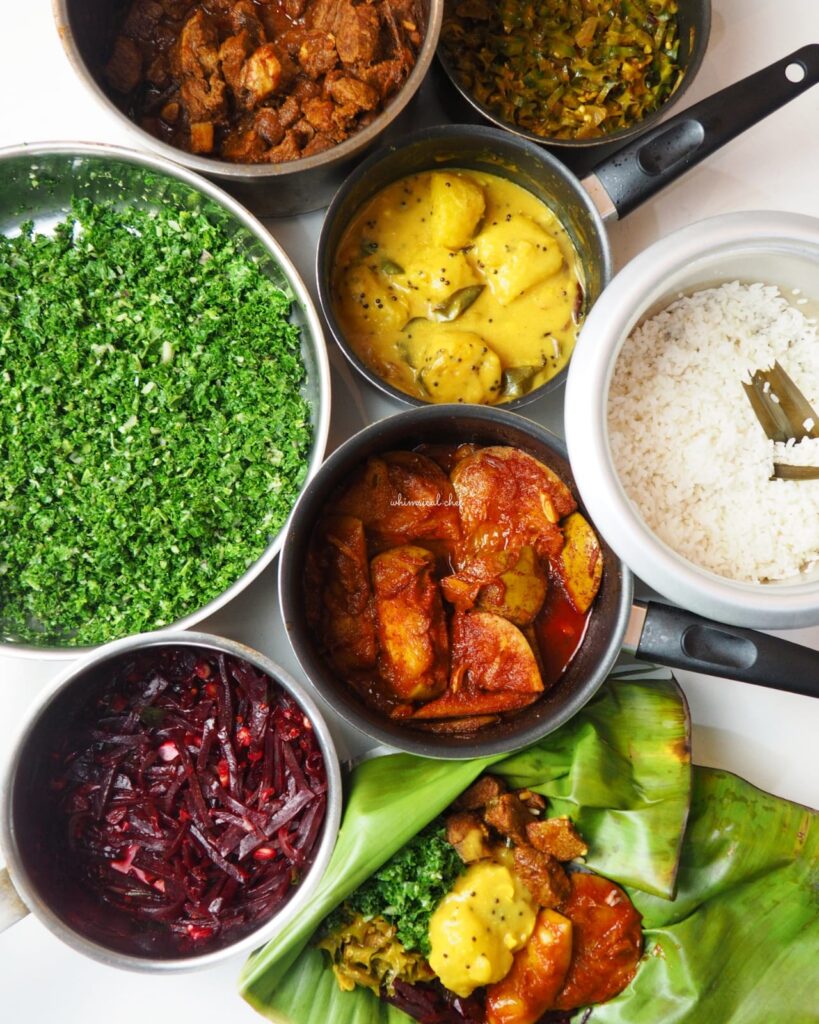
Discover the variety of rice and curry
Rice and curry reveals itself through its accompaniments: lentils, vegetables, condiments and varied preparations surround the rice. The pleasure lies in comparing textures and flavours rather than seeking a single definitive recipe.
Central Highlands · nature
Discover tea landscapes around Nuwara Eliya
Around Nuwara Eliya, plantations trace the slopes. Exploring the tea landscapes reveals another scale of the island, shaped by hills, mist and mountain roads.
North Central Province · heritage
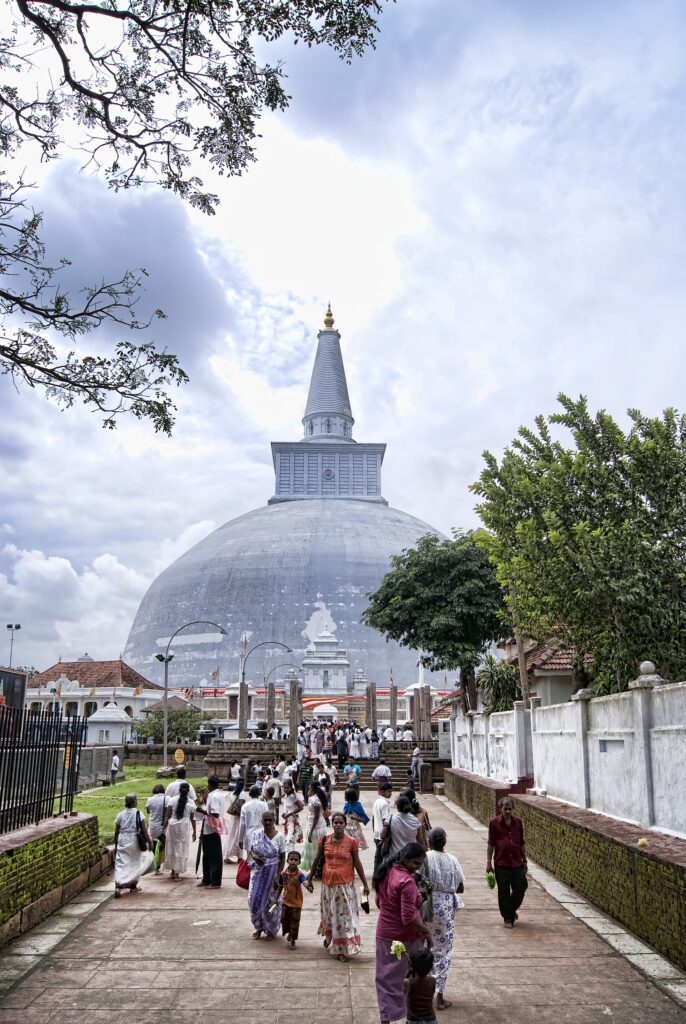
Discover Anuradhapura's sanctuaries
In Anuradhapura, great stupas stand within a sacred city that is still actively visited. Exploring them together reveals the place Buddhist heritage holds in the island's life today.
East coast · adventure
Surf Arugam Bay at the right level
Arugam Bay brings together several surf spots with different characteristics. Start by choosing an area and guidance suited to your ability, rather than simply looking for an attractive wave.
Central Province · heritage
Explore Sigiriya's rock and gardens
At Sigiriya, gardens and remains at the foot of the rock prepare visitors for the ancient citadel. The visit connects landscape, architecture and history, rather than offering just a viewpoint.
Southern Province · heritage
Walk Galle's ramparts
In Galle, a walk along the ramparts connects bastions, the lighthouse and ocean views. Inside, inhabited streets extend the exploration of a heritage that reaches beyond the fortifications.
Central Highlands · nature
Watch the landscape from a mountain train
A railway journey through the highlands changes the way the terrain is experienced: plantations, valleys and viewpoints unfold in sequence. Choosing one stretch leaves time to explore along the way.
Journey highlights
A wealth of heritage
The country concentrates major sites within a relatively compact area, with Anuradhapura, Polonnaruwa and Sigiriya as key landmarks. This makes a rewarding cultural journey possible without long interruptions to its rhythm.
Plan visits for early morning.
Remarkably varied landscapes
From coast and plains to hills and highlands, Sri Lanka offers a clear succession of contrasting surroundings. Travellers move quickly from a warm coastline to cooler, more panoramic areas.
Well suited to a circular itinerary.
A flexible travel rhythm
The destination lends itself to relatively close stops, provided accommodation changes are limited. A good balance often combines a city base, a cultural stop, time in the mountains and a final beach stay.
Choose a few bases carefully.
An accessible introduction to the country
Colombo has a practical role for arrivals, transfers and the transition to the rest of the island. It makes an easy first introduction before travelling to more distinctive regions.
Useful for an overnight stop or departure.
Breeziful selection
Itinerary ideas
Focus on the Cultural Triangle
A first itinerary can focus on Anuradhapura, Polonnaruwa, Sigiriya and Dambulla, using a well-located base to limit transfers. The journey centres on history, temples and the great inland landscapes.
Plan visits for early morning.
Highlands and scenic trains
Another option links Kandy, Nuwara Eliya and Ella for a cooler, more panoramic view of the country. Journeys are slower, but the atmosphere changes markedly from the plains and coast.
Allow for longer road journeys.
A classic loop combining culture and coast
A balanced itinerary can combine Colombo, the Cultural Triangle, the highlands and then the south coast. It is the most straightforward option for a first visit, balancing heritage, scenery and relaxation.
Limit the number of bases.
A flexible, beach-focused holiday
For a sea-focused journey, choose the south or east coast according to the season, retaining an inland stop for contrast. This option suits travellers seeking more rest without giving up a few memorable visits.
Choose the coast according to your dates.
Planning your stay
Mini-guide
Where to stay
Guidance to help you choose somewhere to stay that suits your journey.
Sri Lanka works particularly well with accommodation chosen to reduce transfer times and simplify each day. In towns, a central hotel makes walking visits and early departures easier. In the highlands, a peaceful property or one with a view adds comfort after journeys. On the coast, accommodation close to the beach or convenient roads is useful, especially in wetter periods. The aim is not to keep changing hotels, but to choose a few dependable bases that support the pace of the tour.
Breeziful selection
Offers: Sri Lanka
Travel ideas to turn inspiration into a journey.
Sri Lanka offers are generally more useful when they combine several stops rather than a single fixed stay. The most helpful formats include transfers, well-located overnight stops and a clear understanding of the season. Pay attention to high-demand periods on the southwest coast and around major cultural sites, as well-located accommodation can fill quickly. Travellers seeking comfort should favour flexible itineraries with extra time for journeys and weather-dependent activities.

Special offer -40 %
2 Night Catamaran Cruise in Mirissa Bay
Welcome aboard a sea journey between luxury and nature
From
447 €
per unit
Reference price
745 €
2 people included
You save298 € · -40 %
Breeziful selection
Practical information
Indicative information to check with the official authorities before departure.
Before you goEntry requirements · Passport · Visa
- Entry requirements
A passport valid for at least six months from arrival in Sri Lanka is required, with at least one blank page for the entry stamp. A visa or ETA is required for short tourist stays; check the exact arrangements before departure, as they can change. Travellers arriving from a yellow-fever-risk area may be asked for proof of vaccination. Keep copies of your passport and travel documents with you during the trip.
- Passport
Your passport must be valid for at least six months from arrival in Sri Lanka and have at least one blank page for the entry stamp. This is an essential pre-departure check, as it affects boarding and entry. Also check that the name on the ticket exactly matches the passport. Keep both digital and paper copies of your identity pages and travel documents for peace of mind.
- Visa
Obtain the appropriate ETA or visa before departure through the official Sri Lankan portal. Free entry permission for certain nationalities does not mean the application requirement has been removed. Check your nationality, purpose of visit, permitted stay and any exceptions directly with immigration; wait for approval before travelling. To extend a stay, consult the official procedure rather than assuming an ETA allows an unlimited visit.
- Health
Arrange a travel-health consultation before departure to review vaccination recommendations and your personal needs. Dengue and other mosquito-borne infections call for appropriate protection throughout your stay, not just in the evening. Drink safe water, take care with food hygiene and carry medicines in their original packaging with the necessary documents. Check that your insurance covers healthcare and any medical evacuation.
- Security
The US Department of State advises increased caution in Sri Lanka, citing risks related to unrest, terrorism and landmines in some areas. Even peaceful gatherings can escalate quickly: avoid them and follow local advice. Night travel, crowded public transport and isolated areas require additional care. On the coast, swimming and boat trips must take account of actual sea conditions, which vary by season and coast. Walkers should plan for heat, humidity, uneven terrain and adequate hydration.
- Points to consider
Sri Lanka calls for care with several practical matters. Journeys can be slower than expected, even over modest distances, and traffic can increase road times. Check formalities before departure, particularly passport and entry permission requirements. US authorities advise increased caution and identify risks related to unrest, terrorism and landmines in some areas. Stay alert around gatherings, night travel and very crowded public transport. The season also strongly affects the experience, especially sea conditions, roads and overall comfort.
- Accessibility
Independent travel is feasible, but Sri Lanka is not the easiest destination for people who need consistently comfortable transport. Land transfers can be long, uneven and tiring, particularly away from main roads. Historic sites and natural landscapes often involve walking, steps or uneven ground. Urban accessibility varies considerably between districts and accommodation. For a smoother journey, limit stops, choose well-located bases and allow rest time. Travellers with reduced mobility should plan every transfer and check access individually.
Getting there and getting aroundTransport · Driving · Access
- Transport
Travel is mainly by road and rail, with limited domestic flights depending on the itinerary. Land journeys may take longer than expected because of traffic, frequent stops and variable secondary-road conditions. Trains are useful on certain scenic stretches, but timings can be irregular and journeys slower. For greater comfort, limit accommodation changes, book key transfers ahead and avoid relying on tight connections.
- Driving
Driving is on the left. Before renting, check licence requirements and local recognition: a national licence alone should not be assumed sufficient. British official advice specifically calls for a 1949 International Driving Permit together with a Sri Lankan recognition permit. Confirm the procedure applicable to your licence and vehicle category with the relevant authorities, as well as insurance. Traffic and road conditions require caution; avoid planning long journeys at night.
- Access
International flights via Colombo
At your destinationElectricity · Payments · Telephone
- Electricity
230 V, type D and G sockets
- Payments
The official currency is the Sri Lankan rupee. US dollars are not widely accepted and generally need to be exchanged locally. ATMs are available in tourist areas but can be scarcer outside major centres. Carry some cash for small purchases, taxis and rural areas. A backup card and an advance check of bank charges help avoid difficulties.
- Telephone
+94
- International dialling code
+94
- At a glance
Sri Lanka works well as a touring destination, provided you accept that road journeys may take longer than a map suggests. Colombo is a practical gateway, followed by the Cultural Triangle, the highlands and a final beach stay. Seasons play a major role: the southwest coast is more favourable from December to April, while the east becomes more appealing at other times. For a comfortable trip, book key stops ahead and remain flexible about weather-dependent activities.
Travel adviceTravel tips
- Travel tips
For a smooth trip, reduce the number of bases and align the route with the most suitable coast. Cultural visits are best made early, before the heat and crowds. Allow extra time for journeys, especially when combining trains, roads and connections. Beach arrangements and boat trips should remain flexible in unsettled weather. Copies of documents, a backup payment method and a small cash reserve make the stay much easier.
Breeziful selection
History, culture and food
History
Sri Lanka's history is shaped by long royal traditions, the growth of Buddhism and the importance of ancient kingdoms in the centre and north. Anuradhapura, Polonnaruwa and Sigiriya make that historical depth tangible, with remains that reveal power, religion and the organisation of former capitals. Later European colonial influences remain visible in towns, architecture and ports. For travellers, this is not abstract history: it shapes the landscapes, places of worship and routes through the country today.
Culture
Sri Lankan culture can be encountered through Buddhism, temples, local festivals and everyday gestures of respect. For visitors, this creates an atmosphere that is both welcoming and guided by established customs, with sacred places calling for suitable dress and discreet behaviour. Major cities such as Colombo coexist with ancient sites, villages and rural landscapes that give the country its distinctive character. Take time to observe street life, markets, ceremonies and daily customs without trying to fit everything into a single cultural model.
Gastronomy
Sri Lankan food is generous, spicy and closely associated with rice, curry, coconut and, depending on the region, seafood. Everyday cooking is straightforward but expressive, ranging from vegetarian dishes to fish preparations and more intensely spiced recipes. Local breakfasts and meals offer different textures, fragrant sauces and numerous accompaniments. For a comfortable stay, alternate local restaurants and hotel dining, particularly if you have specific dietary sensitivities or want to maintain a busy sightseeing schedule.
Traditions, celebrations and daily life
Traditions
Sri Lankan traditions are prominent in public life, particularly around temples, offerings, processions and religious festivals. Respect for sacred places, clothing and the way a sanctuary is entered all matter to a visit. Hospitality, shared meals and polite gestures also help exchanges with residents. Travellers benefit from observing local customs without excessive formality: watch, ask before taking photographs and remain calm to encourage more natural encounters.
Festivals and events: Sinhala and Tamil New Year
This celebration is a highlight of the local calendar, with family gatherings, shared meals and a sense of renewal. Travel can be busier and some services may operate differently.
Check transport schedules and book early.
Festivals and events: Vesak
This Buddhist festival is one of the country's major religious occasions, with illuminated decorations, offerings and a strong presence in public spaces.
Expect temple visits and livelier streets.
Festivals and events: Esala Perahera
Held in Kandy, this procession is one of Sri Lanka's best-known events, with a strong religious and ceremonial character.
Book accommodation well in advance.
Festivals and events: Deepavali
This Tamil festival reveals another aspect of the country's culture, with decorated homes, family gatherings and a more domestic atmosphere.
A good time to observe cultural diversity.
Respectful travel
In temples and sacred places, wear clothing that covers appropriately, remove shoes when requested and avoid overly demonstrative gestures. Ask before photographing people or ceremonies, especially in religious settings. A calm tone, modest clothing and respectful behaviour help exchanges. Follow local customs without overinterpreting every detail: attentiveness, discretion and courtesy matter most, particularly in places of worship, villages and community events.
Breeziful selection
FAQ
Answers to the most useful questions before you decide.
When should you visit Sri Lanka?
The best period depends mainly on your chosen coast. The southwest is generally more favourable from December to April, while the east coast becomes more appealing at other times. For a first visit, it is simplest to align the route with the drier side of the island at your departure date.
Do you need a visa to enter Sri Lanka?
Yes, an ETA or visa is required for short tourist stays. The official website states that the ETA must be obtained before arrival and covers short visits for tourism, business or transit. Rules can change, so check the requirements for your nationality before booking.
Does Sri Lanka work well as a touring holiday?
Yes, this is one of its great strengths. The country is compact, with cultural stops, highlands and beaches that combine well. However, journeys can take longer than expected, so limit the number of bases and leave flexibility in the schedule.
Which areas are most commonly combined?
The Cultural Triangle, Central Highlands and south coast form the most straightforward combination. Colombo is often the practical gateway, followed by Anuradhapura, Sigiriya, Kandy, Ella or Galle according to the length of the stay. This works well for a discovery trip.
Is Sri Lanka suitable for a first trip to South Asia?
Yes, especially if you enjoy clear, varied itineraries. The country balances heritage, nature and coast, with a fairly easy-to-understand geography. The main consideration is the season, as weather varies greatly between coasts.
Is the sea pleasant all year?
No: swimming conditions depend strongly on coast and season. In the southwest, conditions are generally calmer from December to April. During monsoons and intervening periods, the sea can become rough, with stronger waves and currents.
Are any particular health precautions needed?
Yes, particularly for mosquitoes and food. The CDC identifies a year-round dengue risk in many areas and recommends consulting a healthcare professional before departure about necessary vaccinations or medicines. Drink safe water and carry your personal treatments.
Is Sri Lanka safe for travellers?
Exercise caution and follow local advice. The US Department of State places Sri Lanka at Level 2, advising increased caution, and identifies risks related to unrest, terrorism and other factors. Gatherings, night travel and certain isolated areas require particular attention.
Can you drive yourself in Sri Lanka?
Yes, but it is not always the easiest option. Driving is on the left, and roads can be narrow, busy and slower than expected. For comfort, many travellers prefer a local driver for some journeys, particularly away from main roads.
How long should a first trip last?
Ten to fourteen days allow a balanced itinerary without too much rushing. This is often enough to combine culture, highlands and a final beach stay. With less time, choose fewer stops to maintain a comfortable pace.
Which formalities should you check before departure?
Check passport validity, the ETA or visa, and any health requirements relevant to your route. The official ETA website states that authorisation must be obtained before arrival, and travel advice also recommends checking entry conditions before departure.
Breeziful selection
Destinations to combine
Ideas for extending your journey.
Maldives
The Maldives are the most obvious extension to a combined trip from Sri Lanka, particularly for more time by the sea. The pairing works well for a contrast between heritage, nature and lagoons.
Consider it for a long-haul journey.
View the mini-guideSouthern India
Southern India is the most logical complementary destination in geographical and cultural terms. It suits travellers wishing to extend their Indian Ocean journey into another major historical region.
Worth considering for a regional combination.
The Maldives and Sri Lanka together
Sri Lanka can also be the main base before an extension to another Indian Ocean destination. This approach suits stays of two weeks or more.
Check flight connections.
Indian Ocean
More broadly, Sri Lanka belongs to a group of Indian Ocean journeys combining beaches, culture and tropical landscapes. It pairs well with themed stays rather than overly fragmented circuits.
Keep the pace and season consistent.
Breeziful selection
Sources and verification
Editorial update: October 27, 2026
Practical information last reviewed: 2026-10-22
Institutions15
- National Profile & Geography / Sri Lankan Ministry of Foreign Affairs — geography2026-10-22 · high
- Sri Lanka Tourism2026-10-22 · high
- CIA World Factbook / Sri Lanka Tourism / CIA World Factbook / CIA World Factbook; Travel.State.gov2026-10-22 · high
- World Bank / Sri Lanka Tourism2026-10-22 · high
- Sri Lanka travel advice - GOV.UK / Editorial synthesis2026-10-22 · high
- CDC Sri Lanka Traveler View / Sri Lanka - Traveler view2026-10-22 · high
- CIA World Factbook Sri Lanka2026-10-22 · high
- Safety and security - Sri Lanka travel advice - GOV.UK / FCDO — driving and safety in Sri Lanka2026-10-22 · high2026-10-24 · high
- Travel Advisories2026-10-22 · high
- Department of Census and Statistics — 2024 census, final results
- Sri Lanka — official notice on ETA before arrival2026-10-24 · high
- Sri Lanka Tourism — Scenic Beauty2026-10-23
- Sri Lanka Tourism — food2026-10-23
- Sri Lanka Tourism — Sigiriya2026-10-23
- Sri Lanka Tourism — Arugam Bay2026-10-23
Entry requirements8
- Official Sri Lanka ETA website / ETA Sri Lanka2026-10-22 · high
- Sri Lanka Immigration – General Information on Visa2026-10-22 · high
- Entry requirements - Sri Lanka travel advice - GOV.UK2026-10-22 · high
- Online Visa Application - ETA official website2026-10-22 · high
- Sri Lanka ETA official website / Online Visa Application2026-10-22 · high
- Sri Lanka ETA official website / Online Visa Application2026-10-22 · high
- ETA - Check Application Status2026-10-22 · high
- Embassy of Sri Lanka — visa and passport requirements
Health2
- U.S. Department of State – Sri Lanka Travel Advisory / Travel.State.gov; ETA Sri Lanka / Travel.State.gov; Sri Lanka Tourism / Travel.State.gov / Travel.State.gov; Ministry of Health Sri Lanka / Sri Lanka Travel Advisory - Travel.State.gov / Travel.State.gov Sri Lanka Travel Advisory2026-10-22 · high
- FCDO — health in Sri Lanka2026-10-24 · high
Climate2
- Sri Lanka Weather / Sri Lanka Tourism – Weather / Editorial overview / Sri Lanka Tourism — climate and monsoons2026-10-22 · high2026-10-22 · medium
- Sri Lanka Tourism – Travel Tips / Weather2026-10-22 · medium
Heritage2
- Central Cultural Fund — Galle Fort2026-10-23
- Central Cultural Fund — Anuradhapura2026-10-23
Further information1
- Sri Lanka at a Glance2026-10-22 · high2026-10-22 · medium
Éléonore
Your questions: Sri Lanka
Ask your question: the answer draws on this guide.
Explore further with Éléonore