
Heritage in the light
Greece creates a sense of continuity between antiquity, the sea and everyday life. Monuments, squares and harbours form a clear, photogenic setting.
Practical note: excellent for a first cultural trip.Athens, islands and Mediterranean landscapes, to discover at your own pace.
Greece is well suited to a first Mediterranean trip, combining familiar landmarks with a wide variety of settings. Athens, Crete, the Peloponnese and the Cyclades each reveal a different side of the country without...
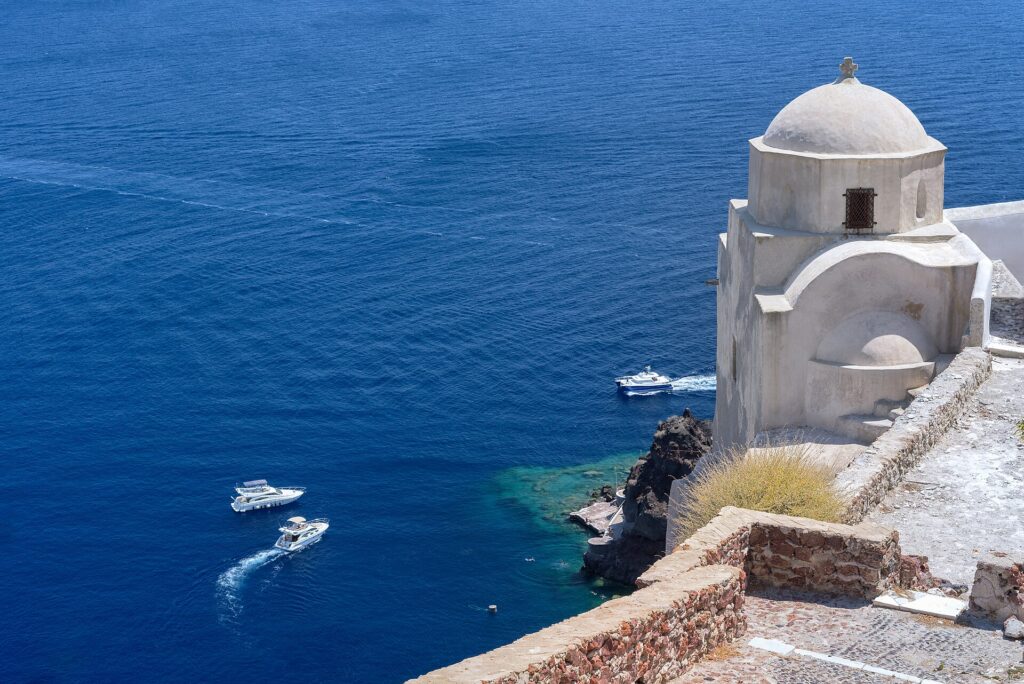
Greece is well suited to a first Mediterranean trip, combining familiar landmarks with a wide variety of settings. Athens, Crete, the Peloponnese and the Cyclades each reveal a different side of the country without requiring an overly complicated itinerary. Rich archaeological sites and diverse islands bring together nature, culture and local life. For travellers, this means that even a simple itinerary can offer a rounded experience, provided you allow time for each place and limit changes of accommodation.
Key insights to understand the destination before choosing your journey.
Four clear reasons to visit, without information overload.
Choosing Greece means choosing a destination that appeals both to history enthusiasts and to travellers seeking sea and sunshine. The country brings together major ancient sites, lively historic neighbourhoods, markedly different islands and seasonal food that naturally complements the trip. To enjoy this variety without spreading yourself too thinly, group your stops by region. You can also build a stay at your own pace: a few days in Athens, one carefully chosen island or a more extensive mainland itinerary. This flexibility is one of Greece’s greatest strengths.
Greece creates a sense of continuity between antiquity, the sea and everyday life. Monuments, squares and harbours form a clear, photogenic setting.
Practical note: excellent for a first cultural trip.Crossings, coves and white or colourful villages create an immediate sense of escape. The pace is more enjoyable when transfers are limited.
Practical note: choose one island area rather than stacking up islands.Athens and Greece’s major cities combine urban energy, cafés, museums and historic neighbourhoods. The atmosphere is lively but varied, with clear contrasts between busy and quieter areas.
Practical note: well suited to a short stay or a gentle arrival.With monasteries, mountains, ancient sites and sunsets over the sea, Greece suits slower travel focused on landscapes and breaks.
Practical note: ideal for travellers who like alternating walks, visits and free time.The main islands and useful places for planning your stay.
Greece’s largest island offers a rounded trip combining beaches, mountains, Minoan sites and lively towns. It suits a longer stay or a first introduction to the Greek islands.
Practical tip: useful for alternating road trips, swimming and heritage.This is one of the country’s most recognisable island groups, with photogenic landscapes, whitewashed villages and a strong maritime identity.
Practical tip: focus on one or two islands to avoid fragmented journeys.In the south-eastern Aegean, these islands combine history, harbours, coves and eastern influences. They suit a longer trip and a quieter exploration of the islands.
Practical tip: a good choice outside peak season for easier travel.To the west of the country, these islands have denser vegetation and gentler terrain. They are often chosen for a greener, more temperate beach stay.
Practical tip: interesting if you want a contrast with the Cyclades.Athens brings together the country’s main urban, political and cultural landmarks. The region is a natural gateway for a first visit, with straightforward access to the Saronic Islands and the Peloponnese.
Practical tip: an ideal base for a short stay combining city, sea and excursions.The northern and central mainland reveal another side of Greece, more mountainous and varied, with Thessaloniki in Macedonia, ancient sites and distinctive inland landscapes.
Practical tip: useful for a more varied itinerary beyond the islands.This peninsula links ancient history, villages, coastline and scenic roads. It allows a more flexible pace of travel, with many cultural and seaside stops.
Practical tip: allow extra time to enjoy the journeys and detours.A historic neighbourhood at the foot of the Acropolis, Plaka brings together narrow streets, low-rise houses, small squares and places easily explored on foot. It is a good starting point for experiencing old Athens.
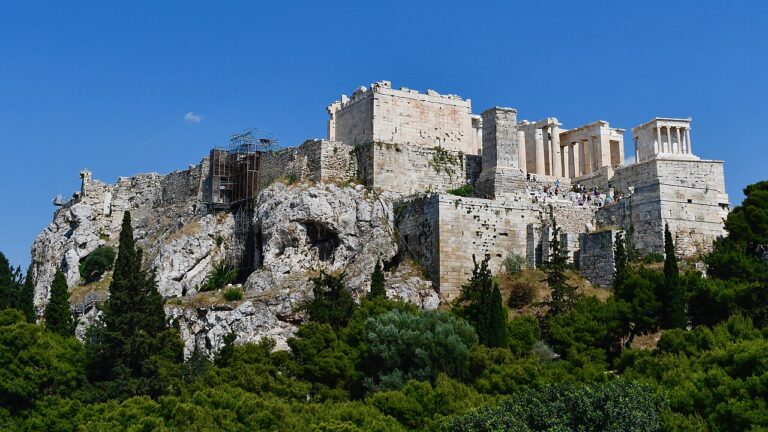
Practical tip: enjoyable early in the morning or in the evening, when crowds ease.The capital’s landmark site, the Acropolis overlooks the city and offers an essential introduction to Greek history. A visit combines easily with museums and historic neighbourhoods.
Practical tip: visit early to reduce exposure to heat and crowds.Delphi remains one of the country’s major archaeological landmarks, in a mountain setting that adds to its scenic appeal.
Practical tip: a worthwhile excursion from Athens if you have a full day.Monasteries perched on rock pillars create a unique landscape in mainland Greece. The site combines spirituality, dramatic terrain and panoramic views.
Practical tip: bring suitable shoes and allow time for viewpoints.In Crete, Knossos offers an introduction to Minoan heritage at a major archaeological site. It complements a stay combining sea and culture.
Practical tip: combine it with Heraklion for a smoother visit.A few pointers to locate the destination and understand its layout.
Islands close to Athens are easily reached by sea and offer an island escape without changing your main base. This is the simplest approach for a short stay.
Practical tip: ideal for a day trip or an overnight stay.The Peloponnese connects naturally with the capital by road, providing clear geographical continuity between city, ancient sites and coast.
Practical tip: useful for a road trip with several stops.The north of the country and the larger islands do not always fit into the same short trip. Distances and transfer times mean choosing a main geographical focus.
Practical tip: group your stops by area.In Greece, exploring in depth often matters more than the number of islands visited. Ferry connections exist, but require realistic planning.
Practical tip: limit changes of accommodation to keep more time for each place.A straightforward overview of the main seasons to help you choose the right travel pace.
May to June and September to October
Greece has a Mediterranean climate, with abundant sunshine, generally mild temperatures and limited rainfall. Conditions nevertheless vary considerably by area: coasts and islands are more temperate, while inland areas, mountains and the north have stronger contrasts. In summer, dry heat is often eased by seasonal winds, notably the meltemi in the Aegean. In winter, lowlands remain relatively mild while mountains can be snow-covered. This climatic diversity makes it important to consider each region and season rather than generalise about the whole country.
The sea is one of Greece’s great attractions, but conditions vary by season and area. Coasts and islands often offer enjoyable swimming from late spring to early autumn, with greater comfort when heat remains moderate. In summer, the sea provides welcome relief, but wind can make some crossings or beaches more exposed. Outside peak season, swimming remains possible in several regions, although water can be cooler and beach services more limited. Check local sea and wind conditions before planning a day focused on the water.
Three perspectives for a different understanding of the destination.
Greek history is visible everywhere, particularly in its overlapping eras: the ancient world, Byzantine heritage, the Ottoman period and the formation of the modern state. This historical depth explains the concentration of archaeological sites, monasteries and old town centres. For travellers, Greece is more than a setting for famous ruins; it is a country where history remains visible in landscapes, cities and cultural practices. Athens, Delphi, Crete and Meteora offer complementary ways into this long memory.
Greek culture reflects continuity between antiquity, Orthodoxy, island life and everyday customs. Ancient sites, museums, monasteries and historic neighbourhoods give travellers a concrete sense of this history without needing to multiply stops. Local traditions remain alive in religious festivals, markets, cafés and tavernas, with a strong regional identity that varies between islands and mainland areas. Simple activities help reveal the country: walking, sitting, observing and allowing places time to tell their stories.
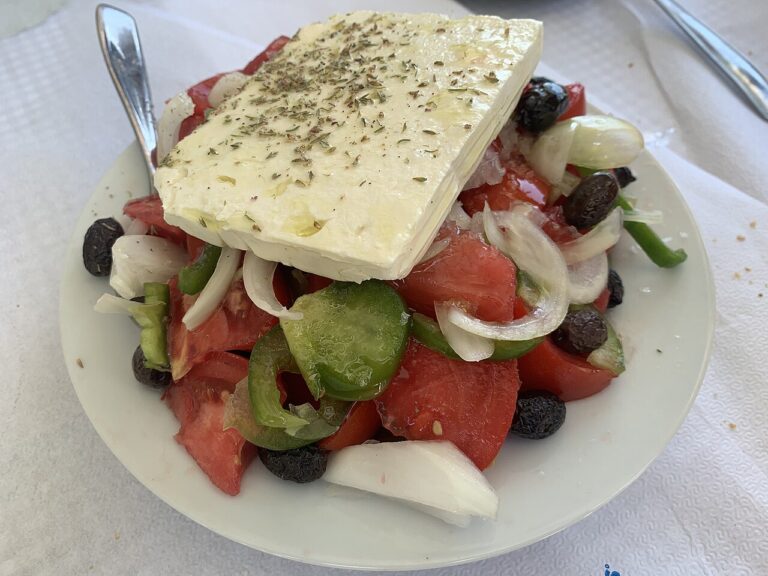
Greek food centres on straightforward ingredients, seasonal cooking and generous use of olive oil, herbs, vegetables, cheeses, fish and seafood. From the coast to the mountains, traditional recipes reflect the diversity of the regions. Travellers will find simple but expressive meals: meze, salads, slow-cooked dishes, island specialities and honey pastries. Taste food locally rather than expecting a uniform cuisine, as each area has its own habits and distinctive dishes.
A few starting ideas to explore further according to the season and pace of your journey.
Greece is experienced through contrasts. Start with Athens’ great ancient landmarks, then change scale on an island where days revolve around swimming, walking and tavernas. The country also invites slower experiences: crossing a whitewashed village at dawn, visiting a hilltop monastery, following a coastal road or stopping in a harbour as the light fades. Culture enthusiasts find museums, archaeological sites and historic neighbourhoods to explore on foot. More reflective travellers enjoy the sea, the terrain and the sense of space that accompanies almost every stop.
Guidance to help you choose somewhere to stay that suits your journey.
In Greece, the most useful accommodation often simplifies travel: a central Athens hotel, a guesthouse in a Peloponnese village, a seaside address on an island or a comfortable base for exploring without moving every night. The best choice depends less on hotel category than on the itinerary. In busy tourist areas, favour a clearly situated property close to transport or places to visit, preserving time at the destination. Stays work better when accommodation supports the trip’s pace rather than complicating it.
Useful information to prepare for departure, including important points to check.
This guidance should be checked with the official authorities before departure.
Answers to the most useful questions before you decide.
One carefully chosen area is often enough for a first trip. Greece rewards exploration in depth more than repeated crossings. Athens, Crete, the Peloponnese or one island group already provides a rich stay, with less logistical fatigue and more time at each place.
Spring and early autumn often offer the best balance of comfort, light and ease of travel. Temperatures are easier to manage than in high summer, and cultural visits and swimming remain enjoyable. July and August require more advance planning and a more flexible pace.
Yes, particularly if you enjoy historic cities and museums. Athens combines the Acropolis, old neighbourhoods, busy urban life and a strong cultural identity. It is an excellent base for starting a trip to Greece without complicating the itinerary.
Yes, but the trip works better when time by the sea forms part of a balanced itinerary. Islands and coasts offer very enjoyable swimming, especially from late spring to early autumn. In summer, consider heat, wind and ferry crossings.
Yes, markedly so. The Cyclades, Crete, the Ionian Islands, the Dodecanese and the North Aegean do not offer the same atmosphere or pace. The best choice depends on the trip you want: iconic, greener, quieter or more rounded.
Ask a quick question about Greece: the answer stays on this page and draws on the mini-guide.
Explore further with Éléonore