

Hanoi and the northern mountains
Hanoi
In Hanoi, Hoan Kiem Lake makes a useful starting point for a walk through the trading streets of the Old Quarter. The northern mountains are a separate leg of the journey.
Vietnam: from the Mekong Delta to the northern mountains
From Hanoi's lanes to the north's limestone landscapes, from the old cities of central Vietnam to the Mekong's orchards, shape a journey that gives each region its own rhythm and place.

Vietnam is best discovered by choosing a thread rather than trying to see everything. In Hanoi, a coffee and a walk around Hoan Kiem Lake offer a first sense of the capital. In Hue, the imperial walls open another chapter. Further south, Can Tho invites you to see the country through its waterways and gardens.
Between these stops, distances matter as much as interests: a journey across the country deserves time, while a stay focused on one region can be just as rewarding.
Explore the country through its broad regions: northern cities and landscapes, central heritage and southern river life. Choosing the season and limiting long transfers are the first two decisions in planning a successful journey.
From Hanoi's lanes to the north's limestone landscapes, from the old cities of central Vietnam to the Mekong's orchards, shape a journey that gives each region its own rhythm and place.
Regions and discoveries
Hanoi and the northern mountains
In Hanoi, Hoan Kiem Lake makes a useful starting point for a walk through the trading streets of the Old Quarter. The northern mountains are a separate leg of the journey.
Ninh Binh, Ha Long and Cat Ba
In the Ninh Binh area, limestone hills, valleys and waterways form a UNESCO-listed cultural and natural landscape. The marker locates the heritage property rather than a boarding point.

Central Vietnam: Phong Nha, Hue and Hoi An
In central Vietnam, the old town preserves the layout of a former trading port and a heritage shaped by several cultural influences. The UNESCO marker locates the heritage property.
Ho Chi Minh City and the Mekong Delta
In central Ho Chi Minh City, walk down to the Saigon River to get your bearings. A visit to the Mekong Delta is a separate excursion.
No verified geolocated places in this region.
When to visit this region? →Hanoi and the northern mountains
In Hanoi, Hoan Kiem Lake makes a useful starting point for a walk through the trading streets of the Old Quarter. The northern mountains are a separate leg…
Read and locateNinh Binh, Ha Long and Cat Ba
In the Ninh Binh area, limestone hills, valleys and waterways form a UNESCO-listed cultural and natural landscape. The marker locates the heritage property rather than a boarding point.
Read and locateCentral Vietnam: Phong Nha, Hue and Hoi An
In central Vietnam, the old town preserves the layout of a former trading port and a heritage shaped by several cultural influences. The UNESCO marker locates the heritage…
Read and locateHo Chi Minh City and the Mekong Delta
In central Ho Chi Minh City, walk down to the Saigon River to get your bearings. A visit to the Mekong Delta is a separate excursion.
Read and locateThe capital combines an old quarter, lakes and cafes. An extension towards Sa Pa offers a change of scenery and pace.
Adapt mountain stops to the weather and your abilities.
Two perspectives on limestone landscapes: valleys and waterways at Trang An, and seascapes in the Ha Long–Cat Ba area.
Choose according to the time available rather than automatically combining both.
Phong Nha's caves and forests, Hue's imperial heritage and Hoi An's former trading port provide distinct experiences. Da Nang connects the travel routes within this region.
Allow time rather than multiplying distant excursions.
The south's major urban stop can be followed by Can Tho and the Hau River, its gardens and islets.
A quick excursion is not the same as a stay in the delta.
Flooded valleys and limestone formations create a landscape where nature and traces of human history meet.
UNESCO World Heritage Site.
A seascape of numerous limestone islands, to be explored with attention to navigation conditions.
UNESCO World Heritage Site.
Citadel, monuments and tombs tell the story of the Nguyen emperors' capital.
UNESCO World Heritage Site.
The houses and streets of a former port bear witness to trade between several cultures.
UNESCO World Heritage Site.
Cai Rang floating market is best visited early; gardens and smaller waterways then invite a slower pace.
Market activity varies: avoid promises of a guaranteed spectacle.
For a short stay, choose one broad region; for a journey across the country, allow days for travel.
Keep the arrival programme light.Getting to the station or airport, waiting and the final transfer all add to the main journey.
Do not assess a route by its distance on the map alone.Much of the journey's appeal lies in its changes of scale. You move from a street where people stop for lunch to a landscape of limestone towers, from a merchant's house to an imperial tomb. Heritage does not dictate a single route: it offers anchors for alternating visits, walks and unplanned moments. Fewer stops, with genuine pauses, keep the country from becoming a succession of transfers and photographs.
Cafes, museums and walks between visits.
For a first cultural journey.Limestone valleys, boat trips or a mountain stop.
According to the season and individual abilities.Gardens and small waterways around Can Tho.
For a slower pace in the delta.For travellers curious about heritage, food and landscapes, who enjoy combining urban time with quieter stops. Families and first-time visitors will benefit from fewer transfers. Walking enthusiasts can include the northern mountains, with an itinerary suited to the terrain, weather and their fitness.
Two or three bases per broad region, with free time between visits.
Heritage and historic towns Regional food and markets Karst landscapes and boat journeys Countryside walks and river discoveries
The best time depends on the regions: compare the north, centre and south before fixing your itinerary.
The north has a cool, sometimes misty winter and a hot, rainy summer; autumn is often pleasant. Bring a warm layer for the mountains. In Hue and Hoi An, rain is concentrated towards the end of the year, while drier months can be very hot. In the south, December to April is generally drier and May to November wetter. These trends do not replace local forecasts: no month brings the same conditions across the whole country.
A coastal stop does not guarantee swimming. Follow local advice and boat operators' decisions in bad weather.
Storms and heavy rain can disrupt roads, railways and excursions, particularly in central Vietnam. Allow spare time and check alerts before each exposed stage.
Editorial advice: around two weeks for a selection of regions, or three weeks for a more unhurried journey across the country.
Build the route around conditions in your priority region, then add other stops. Do not apply one beach-season calendar to the entire country.
Winter can be cool and misty; summer is hot and humid. Mountain conditions require separate planning.
Pack for the altitude.
Rain arrives later: mainly September to February in Hue and September to January in Hoi An.
Keep autumn plans flexible.
December to April is generally drier; showers are more frequent from May to November.
Warm weather continues throughout the year.
Choose a region, then compare the documented local reference points. A point does not describe the whole region.
Local grid reference, not a regional average
Seasonal travel advice is not yet documented for 12 months. The available climate statistics remain accessible below.
Min.Max.
| Month | Mean minimum °C | Mean maximum °C | Rain mm |
|---|---|---|---|
| Jan | 11.3 | 21.2 | 29.4 |
| Feb | 13.5 | 24.2 | 21.3 |
| Mar | 17.0 | 27.9 | 52.5 |
| Apr | 20.8 | 31.5 | 74.6 |
| May | 23.6 | 32.4 | 177.0 |
| Jun | 25.3 | 32.3 | 213.5 |
| Jul | 25.4 | 32.0 | 279.6 |
| Aug | 25.0 | 31.3 | 304.4 |
| Sep | 23.3 | 30.4 | 209.8 |
| Oct | 19.9 | 28.0 | 116.9 |
| Nov | 15.9 | 25.1 | 52.2 |
| Dec | 11.7 | 21.5 | 25.3 |
NASA POWER · 1991–2020 · 2026-10-26T13:00:42+00:00
MERRA-2: 0.5° latitude × 0.625° longitude
Model-based grid estimates, not local station observations. Precipitation totals are calculated from monthly daily means and calendar days. Sea temperature, sunshine hours and rainy days are not supplied.
Requested reference point: 21.0245 / 105.84116944444
Local grid reference, not a regional average
Seasonal travel advice is not yet documented for 12 months. The available climate statistics remain accessible below.
Min.Max.
| Month | Mean minimum °C | Mean maximum °C | Rain mm |
|---|---|---|---|
| Jan | 11.5 | 21.0 | 27.9 |
| Feb | 13.6 | 24.0 | 19.5 |
| Mar | 16.9 | 27.7 | 48.6 |
| Apr | 20.6 | 31.2 | 69.9 |
| May | 23.4 | 32.1 | 173.0 |
| Jun | 25.1 | 32.1 | 187.6 |
| Jul | 25.0 | 31.8 | 254.9 |
| Aug | 24.6 | 30.9 | 297.6 |
| Sep | 23.1 | 29.9 | 245.3 |
| Oct | 19.8 | 27.6 | 142.9 |
| Nov | 16.0 | 24.8 | 57.1 |
| Dec | 11.9 | 21.2 | 26.0 |
Local NASA POWER statistical reference from a 0.5° × 0.625° model grid. It does not describe every landform, coastline or microclimate in the area; it is neither a forecast nor a weather guarantee.
NASA POWER · 1991–2020 · 2026-11-17T15:30:59.985294+00:00
MERRA-2: 0.5° latitude × 0.625° longitude
Model-based grid estimates, not local station observations. Precipitation totals are calculated from monthly daily means and calendar days. Sea temperature, sunshine hours and rainy days are not supplied.
Requested reference point: 20.256667 / 105.896389
Local grid reference, not a regional average
Seasonal travel advice is not yet documented for 12 months. The available climate statistics remain accessible below.
Min.Max.
| Month | Mean minimum °C | Mean maximum °C | Rain mm |
|---|---|---|---|
| Jan | 19.0 | 23.9 | 82.2 |
| Feb | 19.3 | 25.4 | 31.1 |
| Mar | 20.9 | 27.8 | 36.6 |
| Apr | 23.1 | 30.3 | 52.0 |
| May | 25.0 | 31.4 | 89.4 |
| Jun | 25.8 | 31.9 | 78.6 |
| Jul | 25.7 | 31.9 | 92.1 |
| Aug | 25.7 | 31.6 | 155.8 |
| Sep | 25.2 | 30.0 | 366.4 |
| Oct | 23.8 | 28.1 | 592.9 |
| Nov | 22.2 | 26.4 | 420.0 |
| Dec | 20.1 | 24.2 | 264.2 |
Local NASA POWER statistical reference from a 0.5° × 0.625° model grid. It does not describe every landform, coastline or microclimate in the area; it is neither a forecast nor a weather guarantee.
NASA POWER · 1991–2020 · 2026-11-17T15:31:01.810169+00:00
MERRA-2: 0.5° latitude × 0.625° longitude
Model-based grid estimates, not local station observations. Precipitation totals are calculated from monthly daily means and calendar days. Sea temperature, sunshine hours and rainy days are not supplied.
Requested reference point: 15.883333 / 108.333333
Local grid reference, not a regional average
Seasonal travel advice is not yet documented for 12 months. The available climate statistics remain accessible below.
Min.Max.
| Month | Mean minimum °C | Mean maximum °C | Rain mm |
|---|---|---|---|
| Jan | 20.9 | 32.6 | 10.0 |
| Feb | 21.9 | 35.7 | 6.5 |
| Mar | 24.0 | 37.6 | 13.9 |
| Apr | 25.6 | 37.4 | 48.4 |
| May | 25.6 | 34.0 | 166.1 |
| Jun | 24.5 | 30.9 | 225.4 |
| Jul | 24.0 | 29.9 | 226.4 |
| Aug | 23.9 | 29.8 | 208.1 |
| Sep | 23.8 | 29.7 | 205.3 |
| Oct | 23.5 | 29.9 | 222.9 |
| Nov | 22.5 | 30.4 | 101.3 |
| Dec | 21.2 | 30.5 | 33.8 |
Local NASA POWER statistical reference from a 0.5° × 0.625° model grid. It does not describe every landform, coastline or microclimate in the area; it is neither a forecast nor a weather guarantee.
NASA POWER · 1991–2020 · 2026-11-17T15:31:03.761008+00:00
MERRA-2: 0.5° latitude × 0.625° longitude
Model-based grid estimates, not local station observations. Precipitation totals are calculated from monthly daily means and calendar days. Sea temperature, sunshine hours and rainy days are not supplied.
Requested reference point: 10.775556 / 106.701944
Walk through Hanoi: choose a neighbourhood, pause around Hoan Kiem Lake and leave time for a meal, rather than trying to cover everything in one day. Discover Trang An: combine limestone scenery with an understanding of the Ninh Binh region's heritage.
Check the proposed route and conditions on the day. Explore Hue with a guide: connect the monuments with the history of the Nguyen court, allowing breaks between sites. Explore Phong Nha: choose a cave or nature outing suited to your abilities, with access and guiding confirmed. Spend time in the delta: from Can Tho, combine an early outing with gardens or smaller waterways, according to local activity.
Connect the old quarter, Hoan Kiem Lake and a food stop.
A lively introduction to the country.
Explore the limestone valleys, waterways and traces of the former capital Hoa Lu.
Around Ninh Binh.
Combine imperial heritage with the legacy of an old trading port.
Two complementary stops in central Vietnam.
Use Can Tho as a starting point for gardens and waterways.
Allow time beyond transfers.
Hanoi, Ninh Binh and a choice of a bay or mountain stop.
An editorial suggestion to adapt to the season and journey times.
Hue and Hoi An, with Phong Nha if time allows this extension.
Avoid adding a stop at the cost of entire days on the road.
Ho Chi Minh City, then Can Tho and its surroundings.
Allow a genuine pause in the delta rather than a rushed return trip.
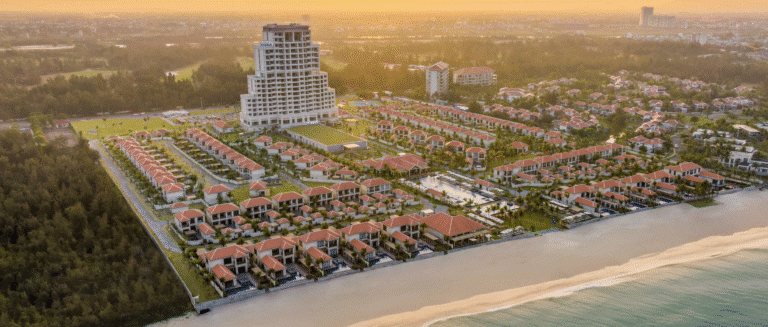
Fusion Da Nang promises more than just a spa: it's an inner journey of intimate luxury, soothing nature,...
Travel ideas to turn inspiration into a journey.

Fusion Resort Da Nang : 5 nuits avec spa
2 people included
More stories to continue exploring.

Viet Princess Cruises: sail along the Mekong with elegance, authenticity and poetry - each suite, dinner or stopover...

FAM Trip Vietnam in September 2025: ITE exhibition, professional meetings, post-tour in the north... A unique opportunity for...

When Chinese New Year arrives, forget your European cotillions and foie gras toast.
Indicative information to check with the official authorities before departure.
Requirements depend on nationality, passport and purpose of travel. Editorial check dated 17 October 2026: for French nationals, France Diplomatie lists a visa exemption of up to 45 days, including arrival and departure days. Other travellers must check their position with Vietnamese authorities before booking.
For a French traveller, the passport must remain valid for at least six months on entry. Also check airline requirements and those of any transit countries.
A visa is required beyond the applicable exemption. The official e-Visa scheme allows stays of up to 90 days with multiple entries. Check conditions, accepted entry points and processing times on the official evisa.gov.vn portal; do not rely on extending your stay locally.
Before departure, seek medical advice suited to the itinerary and check medical and repatriation cover. Plan mosquito protection, particularly against dengue. These pointers do not replace a consultation or current health recommendations.
France Diplomatie recommends heightened vigilance. Road risk deserves particular attention: avoid night journeys where possible and choose a reputable operator. In cities, protect belongings against snatch theft. Check weather alerts and travel advice before moving between destinations.
Schedules, site access, formalities and weather conditions change. Check practical information close to departure. This mini-guide guarantees no fare, accommodation availability or excursion price.
Ask for specific confirmations before booking: steps, vehicle access, boarding points, rooms and toilets. A general accessibility statement is not enough for a boat excursion, cave visit or historic neighbourhood. Adapt the programme to the traveller's actual needs.
Rail serves the Hanoi–Ho Chi Minh City route, including Hue and Da Nang, but involves long journeys. Flights can reduce travel time over greater distances.
Confirm schedules and services.
Compare buses, trains and road transfers according to luggage, comfort and schedules. A sleeper berth does not always replace a restful night.
Do not plan a journey around an outdated timetable.
Before renting, check that your licence, its translation or the required international permit, and your insurance actually cover the vehicle category. Riding a motorbike should not be improvised: a car licence does not automatically authorise motorcycle use.
Choose your gateway according to the route: Hanoi for the north, Da Nang for central Vietnam or Ho Chi Minh City for the south. Check connections and ticket conditions for your chosen dates.
Prepare copies of documents and your assistance provider's contact details. Carry a backup payment method and check fees with your bank. Leave room in the itinerary for transport disruption rather than making numerous inflexible reservations.
Leave half a day without visits between major stops. Choose a few places you genuinely want to understand, then allow time for walks. For excursions, check inclusions, actual transfer times and cancellation conditions; an atmospheric photograph is not a contractual itinerary.
Two stops introduce history without reducing it to a chronology. Hue was the Nguyen capital from 1802 to 1945: the citadel and funerary complexes preserve its legacy. Hoi An bears witness to a fifteenth- to nineteenth-century port where local and foreign influences met. At Trang An, the remains of Hoa Lu reveal an older layer of history. These places deserve visits for the stories they tell, not only for their beauty.
Heritage takes different forms. In Hue, imperial monuments follow the Perfume River and reveal the organisation of a capital. In Hoi An, merchants' houses and architectural influences recall the port's trading connections. Taking time with a guide is more rewarding than treating these places as scenery alone.
Food offers another way to follow the regions. Pho combines broth, rice noodles and meat; banh mi takes the form of a filled bread roll. In Hue, bun bo Hue offers another style of noodle soup, while cao lau is associated with Hoi An. Crisp banh xeo, fresh rolls and herbs invite you to explore different textures rather than search for one national dish. For a first introduction, a short guided food walk can help explain ingredients and customs. State allergies and dietary restrictions clearly before ordering.
Tet follows the lunar calendar and changes the country's rhythm through family travel, holidays and service arrangements. A trip during this period needs different preparation: confirm openings and book essential transport ahead.
Lunar New Year, usually in January or February.
Check dates and service arrangements for your year of travel.
2 September.
Allow for possible public-holiday effects on travel.
Cover shoulders and legs in temples and pagodas and follow the site's instructions. Ask permission before photographing a person or ceremony. A discreet approach encourages more respectful exchanges than an insistent search for a picture.
Answers to the most useful questions before you decide.
It is better to choose one region. Major connections take up a substantial part of the stay and reduce time at each destination.
Think regionally: the north, centre and south have different climate calendars. Then check forecasts close to departure.
It depends on nationality and length of stay. Under rules checked in October 2026, French nationals have an exemption of up to 45 days. Always recheck the applicable rules before departure.
No. Can Tho can also serve as a base for local outings and garden visits. Compare programmes rather than assuming one format suits everyone.
It serves the main north-south route, but not every place in this guide. Combine transport modes and accept long journeys when choosing rail.
No. The information helps with planning; prices, opening times and services must be confirmed with the relevant operators.
Editorial update: 2026-10-17
Practical information last reviewed: 2026-10-17
Ask your question: the answer draws on this guide.
Explore further with Éléonore